Kitchen Cabinets: Lacquered, Membrane, Acrylic & Laminate
Focusing only on color and model appearance when choosing kitchen cabinets can cause needs that may arise during use to be overlooked. The structure of the door surface, cleaning habits, kitchen usage intensity, lighting conditions, and budget should be evaluated together. Kitchen cabinet materials such as lacquered, membrane, acrylic, and laminate differ in terms of appearance, care, durability, and production characteristics. The right choice is made by identifying the surface that balances the kitchen’s design expectations with daily usage conditions.
How are kitchen cabinet materials classified?
When referring to materials in kitchen cabinets, the door surface is often meant. However, the performance of a cabinet is not determined solely by the door material. The body structure, edge applications, hardware such as hinges and runners, cabinet dimensions, and proper installation also affect the overall user experience.
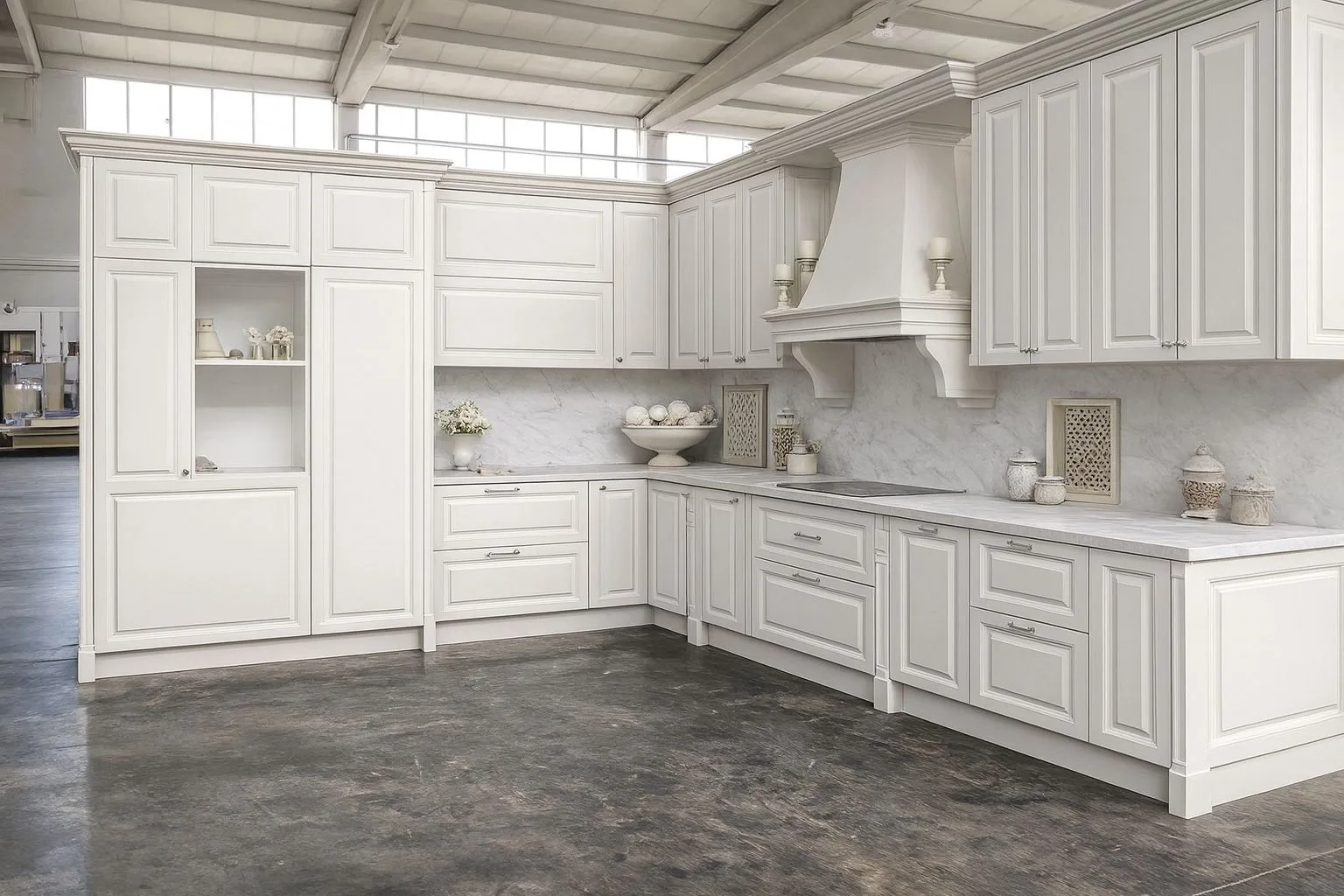
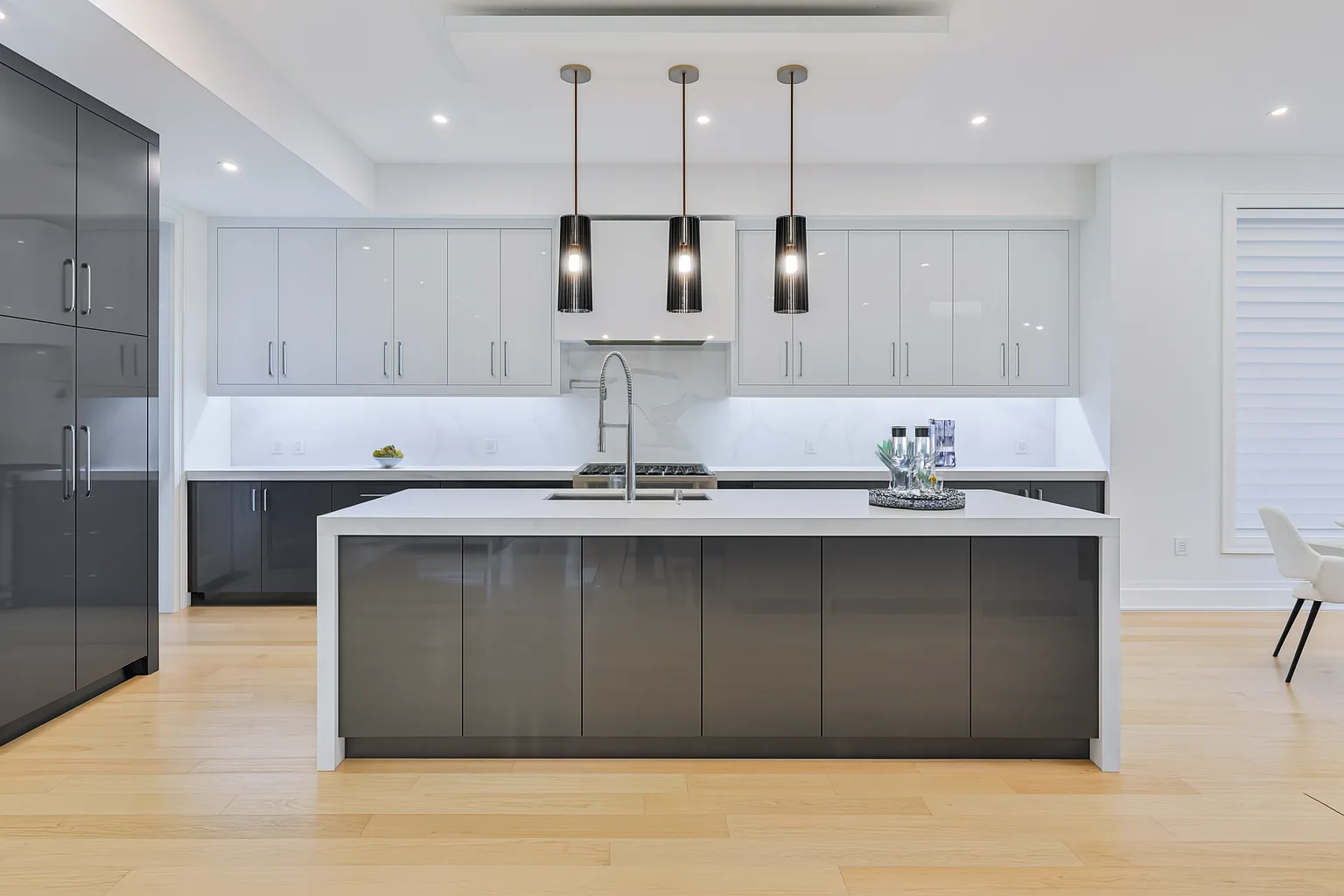
Lacquered and acrylic surfaces are preferred in modern kitchens to create a smooth and cohesive appearance. Membrane doors are prepared by vacuum-applying PVC foil to MDF and offer a variety of color and pattern options. Laminate or melamine surfaces are among the balanced solutions suitable for intensive use, easy to maintain, and practical in terms of budget.
There is no single correct option among these materials. The same surface may be suitable for one set of usage habits but may not produce the expected result in another kitchen. Therefore, when making a decision, you should consider not only the product’s initial appearance but also cleaning frequency, time spent in the kitchen, and cabinet usage intensity.
Characteristics and usage conditions of lacquered doors
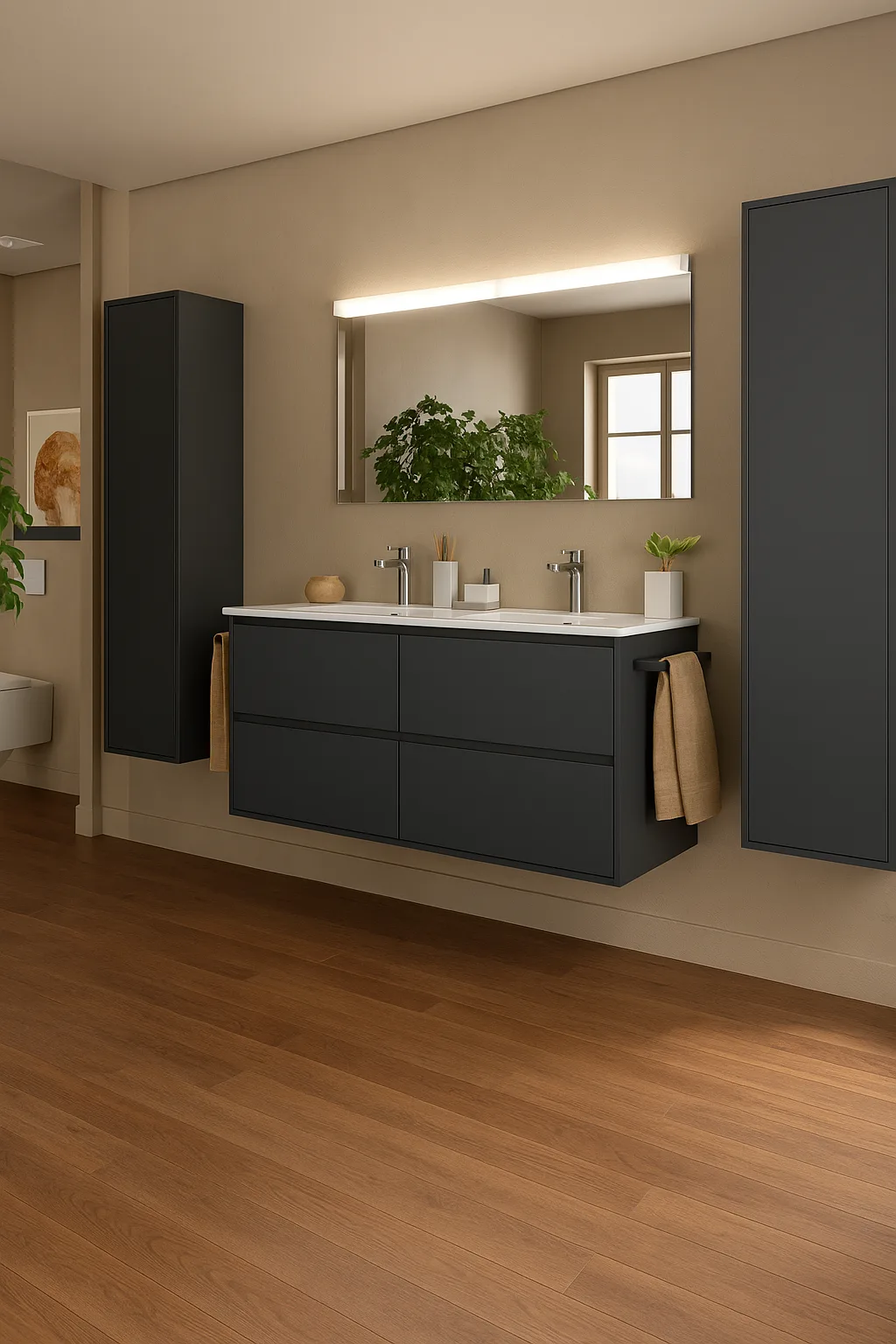
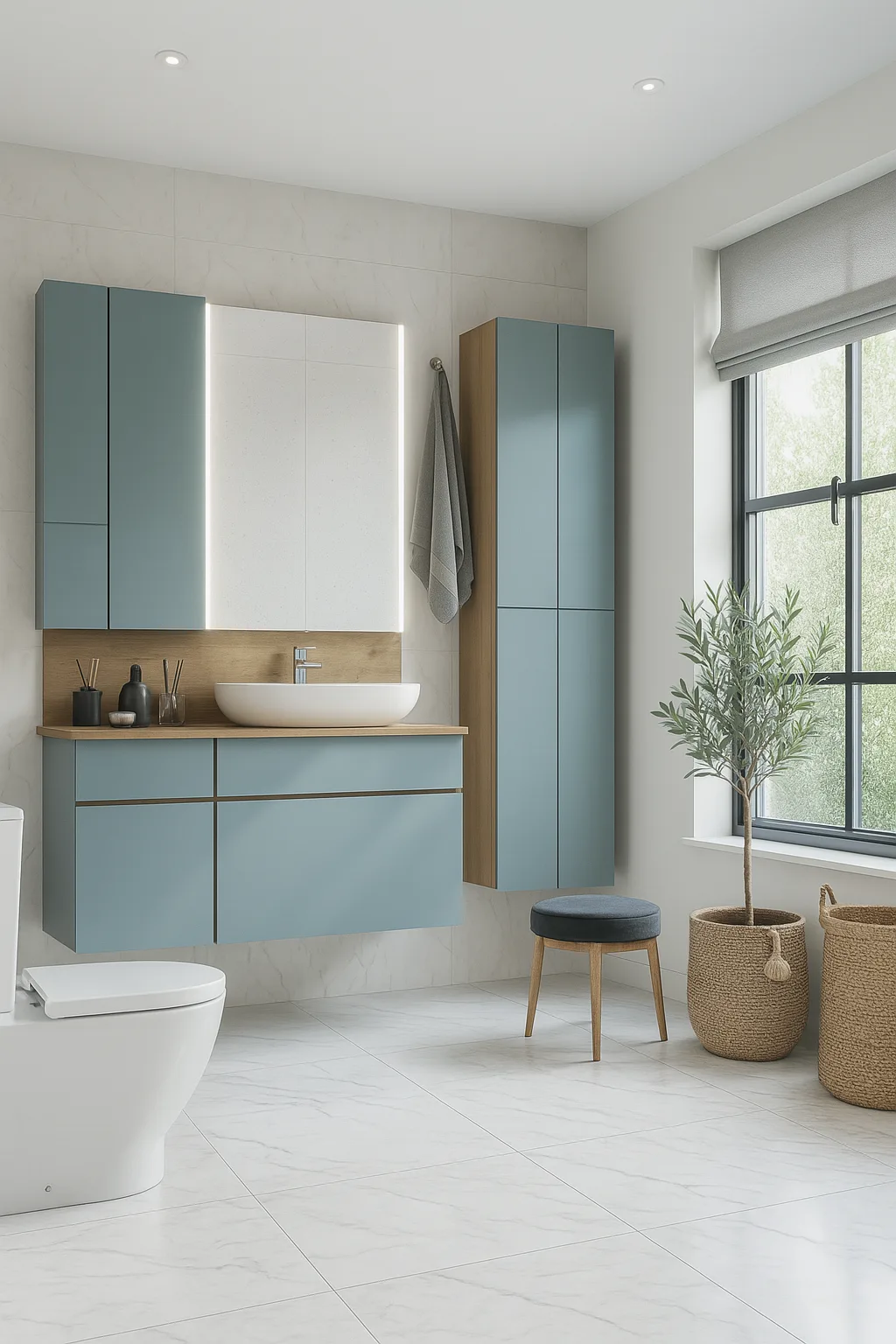
Lacquered doors are produced by applying layers of paint and polish to an MDF surface. This structure provides a smooth and simple surface appearance. Lacquered doors can be glossy or matte, while color selection can be made from the RAL color chart.
In modern and minimalist kitchen designs, lacquered surfaces create a continuous color effect across the doors. The smoothness of the surface supports the overall appearance of the kitchen, especially in designs with handleless or simple lines. Matte lacquered surfaces create a calmer and softer effect, while glossy options can reflect light and make the space appear brighter.
When choosing lacquered doors, it is important to evaluate production and usage conditions together. Suitable products should be used for cleaning the surface, and contact with impacts and harsh abrasives should be prevented. Although lacquer is a meaningful option for users who value appearance and color consistency, its labor-intensive structure may require a higher budget than some other surfaces.
Differences between membrane, acrylic, and laminate surfaces
For membrane doors, PVC foil is applied to an MDF surface using the vacuum method. This method allows doors with classic lines and specific patterns to be prepared in addition to flat surfaces. Its variety of colors and patterns allows it to suit different decorating styles.
Membrane surfaces offer practical use in kitchen environments that may be exposed to moisture. However, the door edges, proximity to heat sources, and impacts that may occur during use should be taken into account. Proper design and application around cooktops, ovens, and similar heat sources help preserve the surface for a longer period.
Acrylic surfaces stand out with their high gloss and sense of depth. Since they reflect light, they can be preferred especially in kitchens where a brighter and more spacious appearance is desired. Because fingerprints may be more visible on glossy surfaces, matte acrylic or similarly understated alternatives can also be considered according to usage habits.
Laminate and melamine surfaces offer a balanced solution between durability, ease of care, and cost. They may be suitable for those seeking practicality in intensively used kitchens. Color and texture options are determined according to the collection color chart; wood appearance, solid colors, or simpler decorative effects can be selected.
What criteria should be considered when choosing?
The first criterion is the kitchen’s usage intensity. In kitchens where food preparation and cleaning are frequent and cabinets are opened and closed many times during the day, surfaces that are easy to clean and suitable for daily use stand out. Laminate and melamine can be practical choices in this respect; for acrylic and lacquered options, the surface’s care requirements should also be evaluated.
The second criterion is the kitchen’s design language. Lacquered or acrylic surfaces can be considered for a solid-color, contemporary, and simple appearance. Membrane can offer more options for classic lines, framed doors, or patterned designs. If a wood texture or more natural appearance is desired, laminate and wood surfaces in the collection color chart can be examined.
The amount of light also affects the decision. Dark and glossy surfaces reflect light differently, while light-colored surfaces can help the kitchen appear brighter. It should be remembered that very glossy surfaces may show fingerprints and light reflections more clearly. Therefore, color selection should be considered not only based on its appearance in the catalog but also together with the kitchen’s actual lighting conditions.
When evaluating the budget, looking only at the door material is not sufficient. Items such as the cabinet body, hardware, countertop, installation, and shipping can affect the total cost. Since installation and shipping fees vary according to the product and address, clarifying them after confirming the measurements allows for a healthier comparison during the decision-making process.
Which surface can be preferred according to the area of use?
For family kitchens with intensive daily use, ease of care and the surface’s suitability for usage habits may be priorities. In these areas, laminate or melamine surfaces can be considered for their structure, which facilitates regular cleaning. When choosing colors and patterns, textures that make small stains less noticeable can also be taken into account.
Those who want a simple, modern kitchen with strong color consistency can examine lacquered doors. Matte lacquer appeals to those seeking a soft appearance, while glossy lacquer can suit those who want a more pronounced surface effect. The ability to choose a color from the RAL color chart helps coordinate the design with the overall décor.
Acrylic doors may be a suitable option for those seeking a glossy and eye-catching surface. On these surfaces, it is important that the cleaning cloth and product used are appropriate. Users who are sensitive to fingerprints should evaluate the level of gloss and matte alternatives before making a decision.
Those who value classic details, paneled doors, or a wider range of patterns may prefer membrane surfaces. Those who want to maintain the same design approach outside the kitchen can create visual consistency in cabinets, entryway cabinets, and other storage areas with modular furniture solutions.
What should be considered for care and longevity?
Every surface should be cleaned in accordance with its production characteristics. In general, using a soft, damp cloth helps prevent abrasive marks from forming on the surface. Hard sponges, products containing strong chemicals, and cleaning materials that may damage the surface should not be used.
It is important to control contact with water and steam in kitchen cabinets. Water accumulating around the sink should be dried promptly, and prolonged moisture should not be left on doors and edges. Heat conditions around the cooktop and oven should also be taken into account during the design stage; during use, hot pots or sharp objects should be prevented from contacting the door surface.
Slamming cabinet doors, straining the hinges, and overloading drawers beyond their capacity can affect the mechanical components over time. When it is noticed that the doors require adjustment, it is more appropriate to contact the team that carried out the application rather than make an unauthorized intervention. Products are covered by a two-year warranty against manufacturing defects; misuse, impacts, contact with water, unsuitable cleaning products, and unauthorized intervention are outside the warranty coverage.
Common selection and usage mistakes
One of the most common mistakes is making a decision based only on a photograph. The color and gloss on a screen may not fully reflect the appearance of the actual surface under light. Therefore, examining the RAL color chart for lacquered surfaces and the collection color chart for wood and laminate surfaces provides a more accurate evaluation.
Another mistake is holding the door material responsible for the entire performance of the kitchen. Even if a high-quality surface is selected, incorrect measurements, an unsuitable cabinet body, insufficient ventilation, or improper installation can negatively affect the user experience. For this reason, the door, body, hardware, and application process should be considered together.
In made-to-measure production, ordering without checking measurement accuracy is also a significant risk. In addition to walls, plumbing points, window and door openings, appliance dimensions should also be included in the design. When preparing the kitchen plan, work areas should not obstruct one another, and storage needs should be determined according to actual usage patterns.
Made-to-measure kitchen cabinet preparation at Decorege
Decorege generally prepares kitchen cabinets according to the project and measurements. Color, dimensions, cabinet body, and hardware options are evaluated together with the kitchen’s usage characteristics. Colors can be selected from the RAL color chart for lacquered surfaces and from the collection color chart for wood and laminate surfaces.
During the measurement process, free site surveys and on-site measurement services are offered in certain areas. At other addresses, customers can share the necessary information using the measurement guide. After the measurements are confirmed, product selection and application details are finalized; the preparation time for made-to-measure production is provided when the order is approved.
For kitchen cabinets requiring installation, installation is carried out by the Decorege team or an authorized installer. The area must be cleared before installation. When examining different kitchen cabinet models during the decision-making stage, evaluating not only the appearance but also the care requirements of the selected surface, usage intensity, and kitchen dimensions together helps achieve a more informed result.
Frequently Asked Questions
Why is it important to examine a sample when choosing kitchen cabinets?
The actual color, texture, and gloss level of a surface may be perceived differently from a screen image. Examining the sample under different lighting conditions throughout the day in the kitchen allows you to assess its compatibility with the countertop and flooring more accurately. Seeing light reflections in advance, especially on dark or glossy surfaces, makes the decision-making process easier.
How should the compatibility between the cabinet body and doors be evaluated in a kitchen?
The body’s color, edge finishes, and interior layout are as important as the door surface. In designs with visible open shelving, a noticeable contrast may form between the body and doors. In addition, positioning drawers and shelves according to their intended use helps make storage space more efficient.
What should be considered for ergonomics in kitchen cabinet design?
Placing frequently used items near the preparation area and heavy products in easily accessible lower sections makes daily use more convenient. Ensuring that door and drawer openings do not obstruct one another, keeping passageways from becoming narrow, and positioning appliances in accordance with the workflow improves the design’s functionality.
Why should ventilation be considered in kitchen cabinets?
Steam and heat can affect surfaces over time, especially around the cooktop and sink. Properly positioning the range hood, not allowing water to remain on the surface, and regularly drying wet areas help protect the cabinets. The ventilation plan should be compatible with the usage conditions of the design just as much as the door selection.
What information should be prepared before ordering made-to-measure kitchen cabinets?
In addition to wall measurements, the locations of windows, doors, columns, plumbing, and outlets should be recorded. The exact dimensions of appliances such as the refrigerator, oven, and dishwasher, along with their door opening directions, should be included in the design. This information reduces the risk of incompatibility during installation and makes layout decisions easier.