What Is a Lacquered Door? Features and Selection Guide
Lacquered doors offer both an aesthetic and functional solution in interior design with their smooth surfaces and various color options. However, when choosing a lacquered door, you should consider more than just its appearance; the surface type, intended use, dimensions, and maintenance requirements are also important. The right choice improves the door’s harmony with the space while providing comfortable use for a long time.
What Is a Lacquered Door and What Is Its Structure?
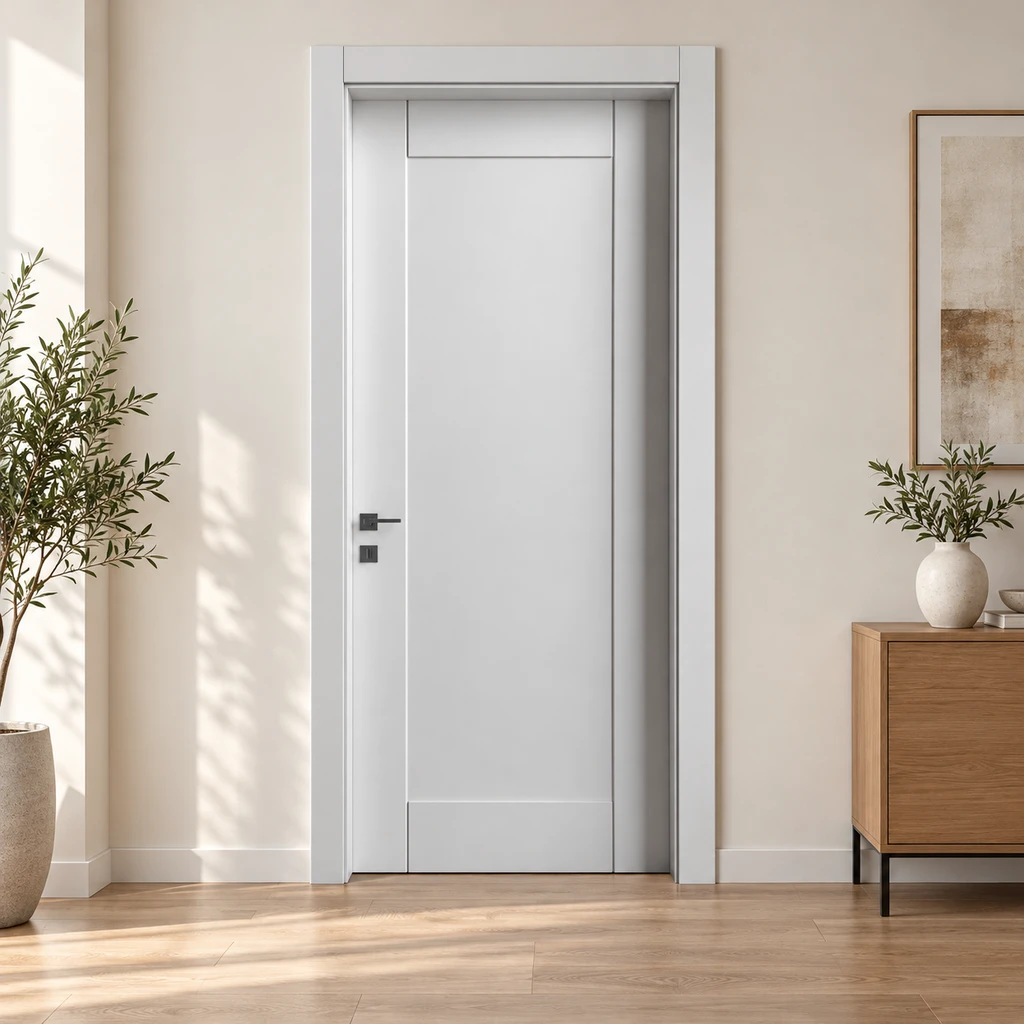
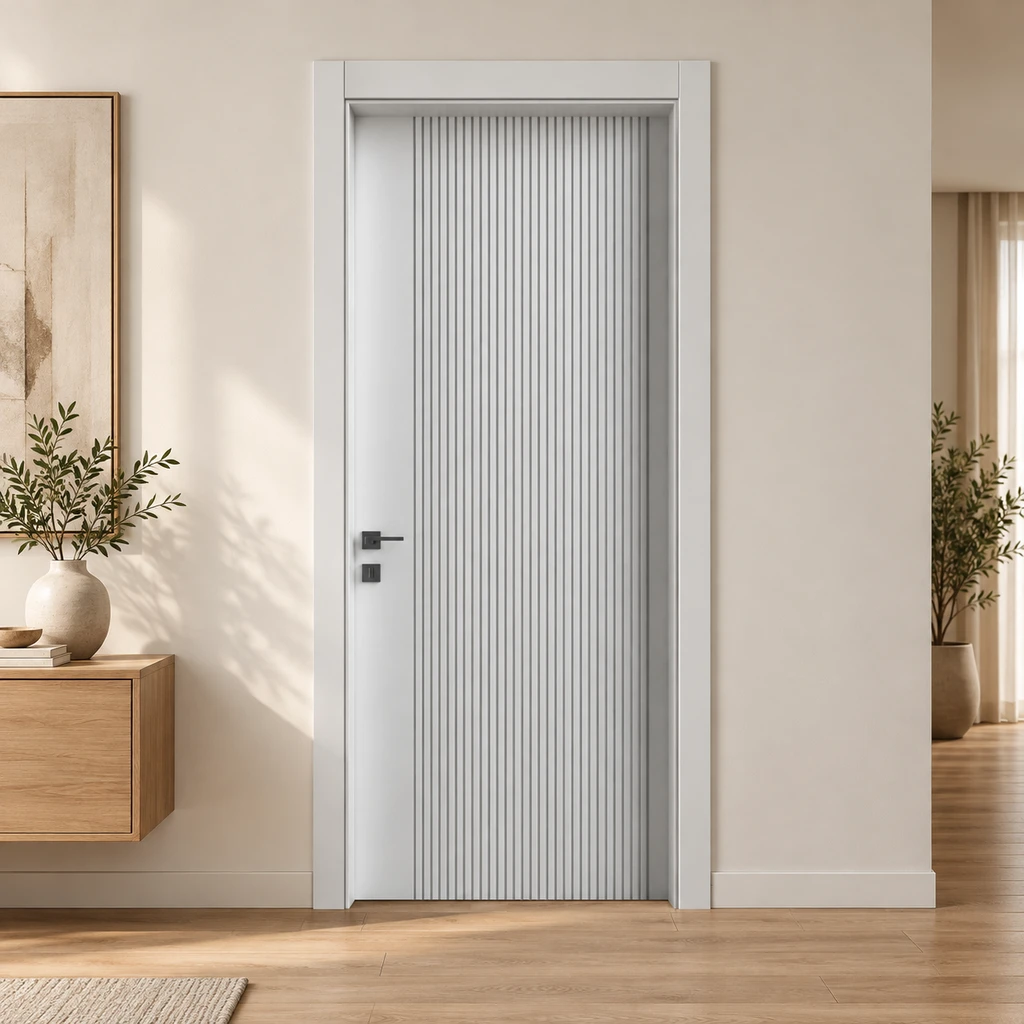
A lacquered door is a type of interior door generally prepared by applying special primer, paint, and polish to an MDF surface. The flat and homogeneous structure of MDF helps the paint be applied evenly to the surface. A smooth appearance is achieved during production by sanding and priming the surface and applying layers of paint. The final polish gives the door either a matte or glossy appearance, depending on the preferred surface character.
The interior construction used in the door leaf affects the product’s durability and weight. Structures such as solid wood frames and cellular cardboard honeycomb cores may be used in lacquered doors. This structure helps the door maintain its form while also balancing its operating weight. However, the structure of each model may not be the same, so the product’s technical specifications and intended use should be evaluated during the selection process.
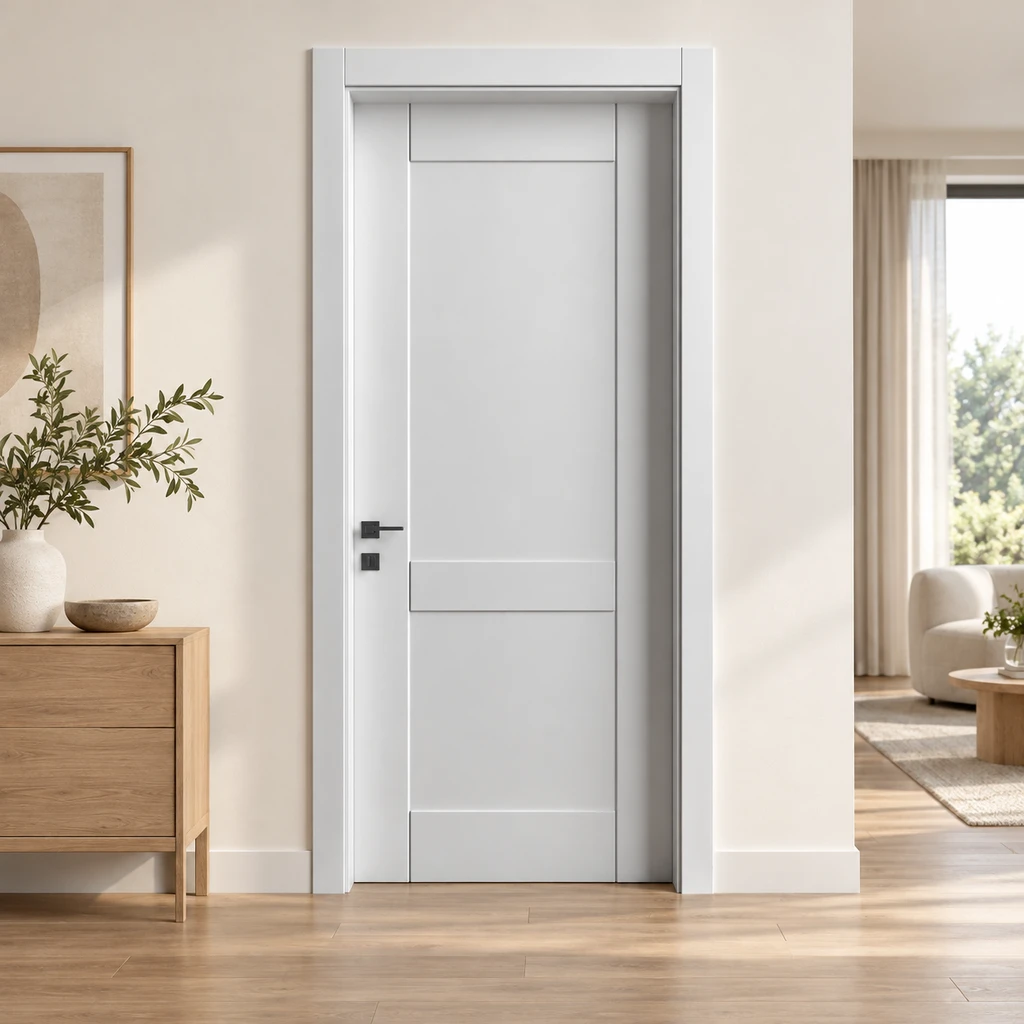
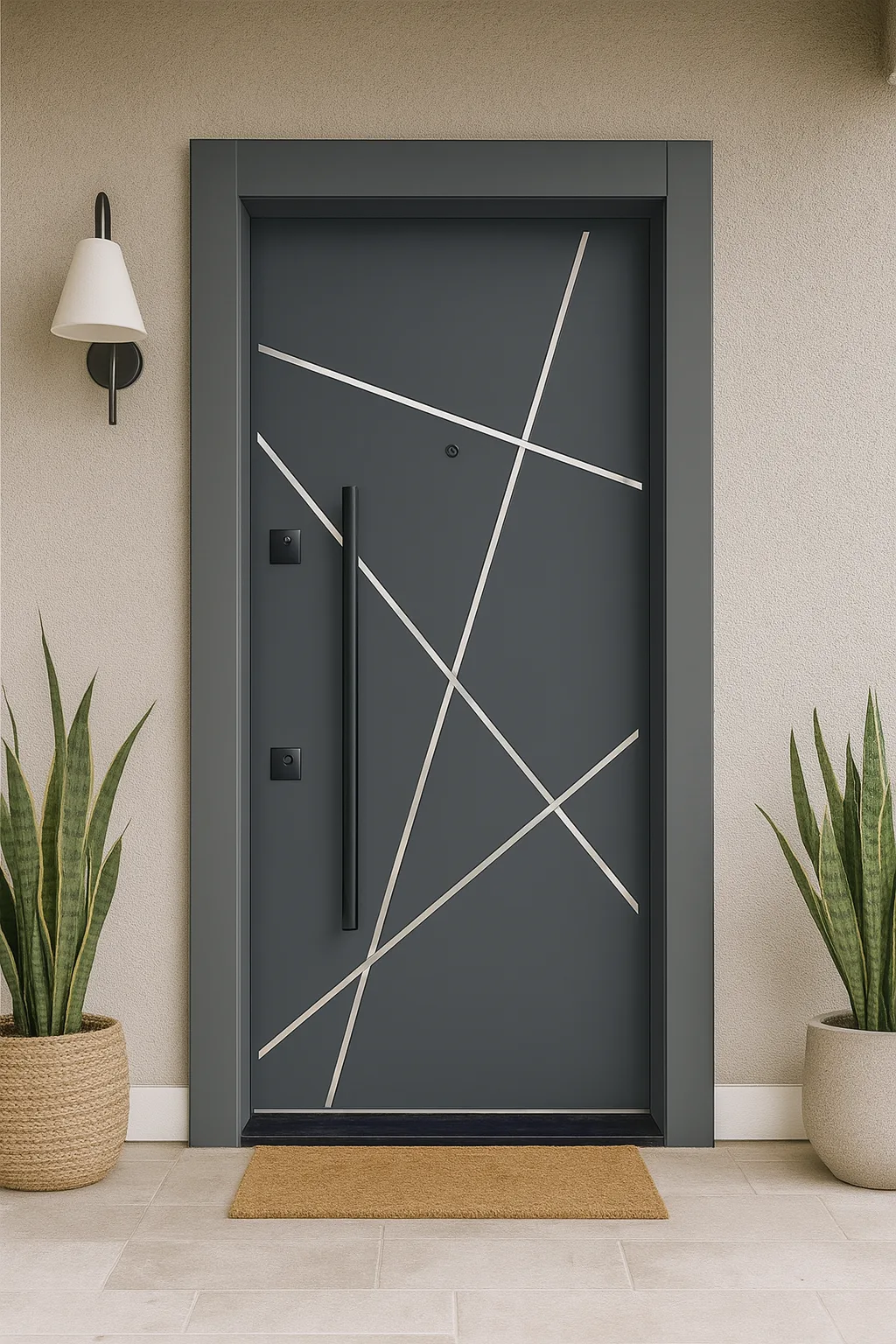
Lacquered surfaces can be prepared as flat surfaces or designed with lines, panels, or different decorative details through CNC applications. For this reason, lacquered doors can be adapted not only to simple and modern interiors but also to more classic or transitional styles. The ability to use the RAL color chart for lacquered surfaces makes it possible to match the door more consistently with walls, flooring, and furniture.
What Criteria Should Be Considered When Choosing a Lacquered Door?
The first step in choosing a lacquered door is to determine the overall design language of the space. A flat-surfaced model with minimal detail may be preferred in a simple and cohesive interior. In areas where classic lines stand out, paneled, lined, or decoratively detailed designs may be more suitable. Evaluating the door model together not only with the furniture in a single room but also with the flooring, walls, and built-in furniture throughout the home creates a more balanced result.
Surface preference is also an important part of the decision-making process. Glossy lacquered doors reflect more light and create a more striking effect in the space. Matte lacquered surfaces distribute light more softly, offering a calmer appearance. Fingerprints and minor contact marks may be more visible on glossy surfaces, so the intensity of use and cleaning habits should also be considered.
When choosing a color, it may not be enough to evaluate its appearance only in daylight. Artificial lighting, wall color, and the tone of the flooring can change the perceived color of the door. For this reason, it is useful to choose from a color chart and, where possible, evaluate the door together with the other surfaces in the area where it will be used. The ability to determine color, model, and hardware options according to the project makes it easier to meet different design needs.
How Should a Lacquered Door Be Chosen According to Its Intended Use?
When choosing a lacquered door for living areas such as living rooms, sitting rooms, and bedrooms, privacy and frequency of use should be considered alongside decorative harmony. In these areas, the choice between a matte or glossy surface can be based on the overall atmosphere of the space. Light-colored lacquered doors support a brighter appearance, while dark tones can give the door a more prominent design role.
It is important for doors in hallways and transitional areas to coordinate with one another. Visual continuity can be achieved by using models from the same color family, with similar surface characteristics and a shared design language. In projects where multiple doors are located in the same hallway, it is better to consider the entire passage area as a whole rather than evaluating each door separately.
In areas such as kitchens and bathrooms where contact with moisture is possible, the cleanability of a lacquered surface can be an advantage. However, an interior door should not be continuously exposed to water, water accumulation on the floor should be prevented, and installation details must be applied correctly. If a lacquered door will be used in a humid environment, the door, frame, and hardware should be considered together with the conditions of use.
In heavily used areas, it is important that hardware such as the door handle, hinges, and lock is suitable for usage habits as well as keeping the surface clean. In children’s rooms, work areas, or frequently used passageways, daily ease of use should be prioritized alongside design. Those who want to explore a wider range of design options can compare surface, color, and line features among lacquered door models.
How Should Lacquered Doors Be Maintained and Cleaned?
The smooth surface of lacquered doors makes it easier to remove daily dust and dirt. A soft, slightly damp cloth is generally sufficient for regular maintenance. After cleaning, water or moisture should not be left on the surface, and the door edges and lower sections in particular should be kept dry. Hard textures that may scratch the surface should be avoided when choosing a cloth.
Strong chemicals, abrasive powders, hard sponges, and solvents unsuitable for the surface can negatively affect the appearance of the lacquered finish. If a cleaning product is used, its suitability for lacquered surfaces should be checked. Before applying a product to the entire door, testing it on a small, hidden area can help prevent possible surface changes.
To keep the lacquered surface looking good for a long time, the door should be protected against impacts, sharp objects, and constant friction. Forcing the door open or closed, improperly adjusted hinges, or changes in the floor can affect the way the door leaf operates over time. If an unusual sound, friction, or closing problem is noticed, it is safer to contact the team that performed the installation rather than attempting unauthorized intervention.
What Factors Affect the Service Life of Lacquered Doors?
The service life of a lacquered door does not depend only on the surface paint. Preparing the product with the correct dimensions, ensuring that the frame fits the opening, performing the installation carefully, and ensuring that the conditions of use match the product specifications should all be evaluated together. Differences in the door opening dimensions, the vertical alignment of the wall, or changes in floor level should be checked before installation.
Environmental conditions are as important as production and installation quality. Excessive moisture, direct contact with water, hard impacts, and unsuitable cleaning products can damage the appearance of the surface. Therefore, to use lacquered doors for a long time, the door must be installed in an area suitable for its intended use and the maintenance recommendations must be followed.
When evaluating warranty coverage, manufacturing defects and problems caused by use should be distinguished from one another. Decorege products have a two-year warranty against manufacturing defects; misuse, impact, contact with water, unsuitable cleaning products, and unauthorized intervention are excluded from the warranty. If dents, tears, or moisture are noticed in the packaging during delivery, the product should not be accepted before having the shipping representative prepare a damage report.
What Are the Common Mistakes When Choosing a Lacquered Door?
One of the most common mistakes is choosing a door based solely on a catalog image. The appearance of a color or surface on a screen may not produce the same result under the lighting and with the other materials in the actual space. For this reason, the color chart and surface type should be reviewed, and the decision should be made together with the overall design of the area where the door will be used.
Another mistake is assuming that all doors have the same dimensions and features. Wall thickness, door opening, frame type, opening direction, and floor level may vary from project to project. For made-to-measure products, carefully confirming the dimensions before placing the order helps reduce possible incompatibilities later.
It is also incorrect to assume that a door in a humid area is completely water-resistant. Although a lacquered surface can be considered for humid environments, constant contact with water and improper use can damage the surface. Similarly, the belief that strong cleaning chemicals will preserve the gloss is incorrect. A soft cloth, an appropriate cleaning method, and regular inspection are generally a safer approach to maintenance.
How Are Lacquered Doors Prepared at Decorege?
Decorege lacquered interior doors are prepared by evaluating size, color, frame, and hardware options according to the project. Color selection for lacquered surfaces can be made using the RAL color chart, while the model and design preferences are finalized together with the intended use of the space. The Prime, Classic, and Modern series offer design options that can be adapted to different design approaches.
Free on-site surveys and on-site measurement services are provided in certain areas. At other addresses, customers can share the required information using the measurement guide. For made-to-measure products, the production time is communicated when the order is approved. For products requiring installation, setup is performed by the Decorege team or an authorized installer, and the area must be cleared before installation.
When choosing a lacquered door, evaluating the model, color, surface, frame, and hardware decisions together helps preserve the integrity of the project. To clarify details about dimensions and intended use, you can contact the Decorege team through the contact channel and evaluate the options suitable for your needs together.
Frequently Asked Questions
How should a door handle be chosen for a lacquered door?
When choosing a door handle, consider not only its appearance but also the frequency of use and its compatibility with the lock mechanism. It is important for the handle to feel comfortable in the hand, its surface to look balanced with the door color, and it to share a common design language with other hardware such as the hinges and lock.
How is the opening direction of a lacquered door determined?
When determining the opening direction, the furniture near the door, electrical switches, passage area, and neighboring doors should be considered together. The door leaf should not narrow the passage or interfere with the room’s layout. This decision should be finalized before the dimensions and order are approved.
What points should be checked when measuring for a lacquered door?
During measurement, the wall thickness, floor level, and vertical alignment of the opening should be checked along with the width and height of the door opening. If the existing frame will be removed, this should also be taken into consideration. Taking measurements in the same unit and at multiple points reduces the risk of incompatibility.
How should a color sample be evaluated when choosing a color for a lacquered door?
A color sample should not be reviewed only on a screen or in a catalog; it should be evaluated together with the flooring, walls, and built-in furniture in the area where the door will be used. Since its appearance may differ in daylight and artificial lighting, examining the sample at different times and, if possible, near the door provides a more reliable basis for a decision.
Which documents should be kept during the warranty process for a lacquered door?
To facilitate the warranty process, the order approval, measurement details, delivery record, and any installation-related documents should be kept. If damage is noticed in the packaging during delivery, the situation must be documented in a report. Following the use and maintenance recommendations is also important for the evaluation.