Choosing Laminate Flooring: AC Class, Thickness & Care
Laminate flooring is one of the flooring solutions that combines the look of wood with the practicality of everyday use. When choosing a product, you should evaluate not only color and pattern but also wear class, thickness, water resistance, installation conditions, and maintenance requirements together.
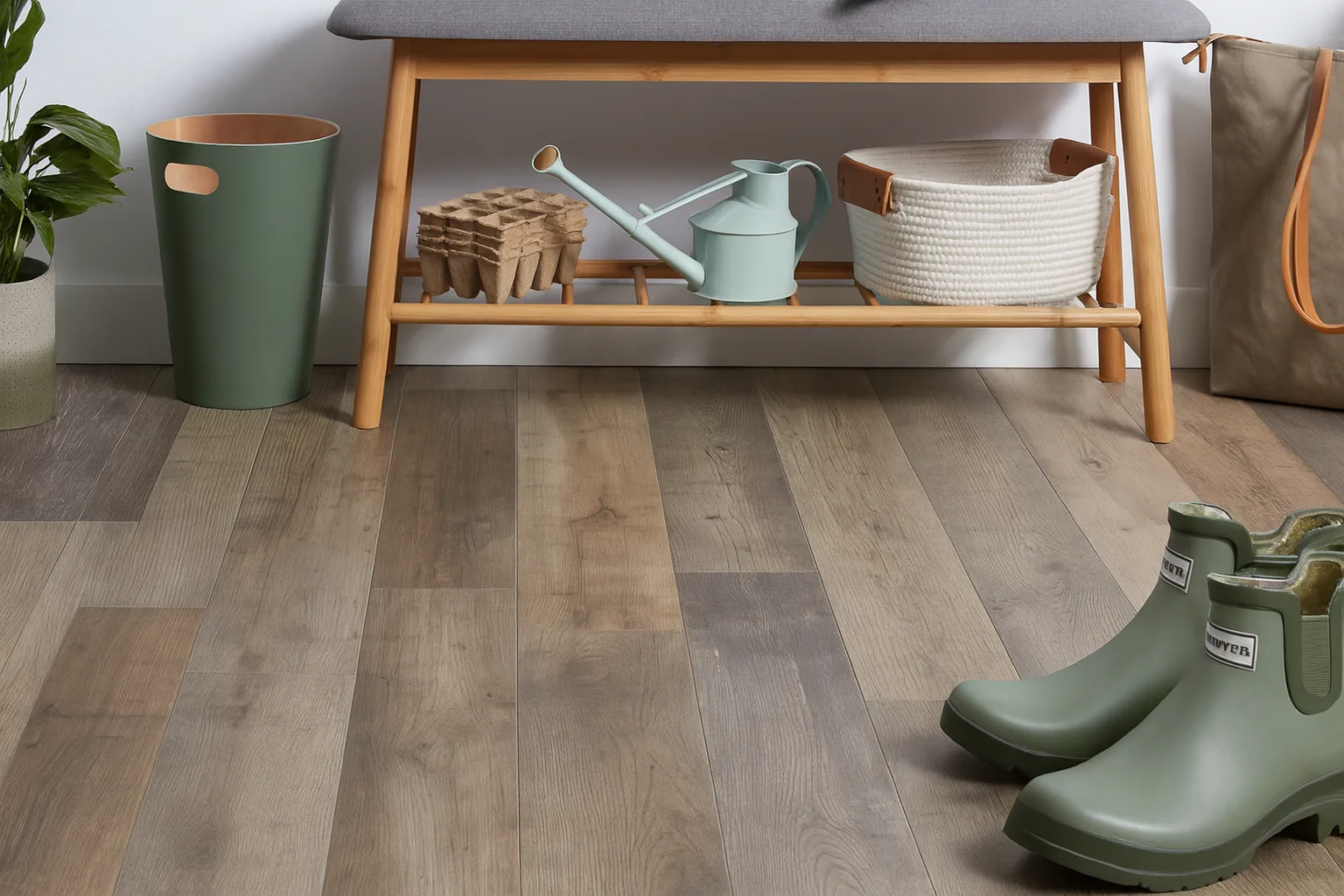
Laminate Flooring Structure and Usage Features
Laminate flooring is a multilayer flooring solution with a decorative layer on its surface that reflects the look of wood. While preserving the appearance of natural wood, this structure offers an easy-to-install and practical-to-maintain alternative for everyday living spaces. The choice of color, pattern, and surface texture directly affects the overall atmosphere of a room.
The durability of the surface is one of the main factors determining how well the flooring will respond to usage intensity. In frequently used passageways, resistance to scratching and wear should be considered alongside visual appeal. For this reason, product selection should be evaluated not only according to the room’s décor but also according to usage habits.
Click systems and underlayment placed beneath the floor play an important role in laminate flooring installation. While a tight locking structure helps the pieces fit together properly, underlayment supports the walking feel and sound insulation of the floor. Before installation, ensuring that the floor is clean, level, and suitable for installation also affects the quality of the result.
How Should the AC Wear Class Be Evaluated?
The AC value indicates the laminate flooring’s resistance to wear. This class provides guidance on how much intensive use the floor can withstand. However, for the right choice, you should consider not only the class number but also the usage intensity of the area, traffic frequency, and furniture movement.
AC3 class options may be considered for areas with moderate residential use. AC4 class may be a more suitable choice for living rooms, hallways, and similar areas with heavier traffic. For commercial use or areas with high activity, AC4–AC5 classes may be considered. As the class increases, expectations for the product’s resistance to intensive use also increase.
For example, choosing a high AC class for a rarely used room may result in a choice beyond the actual need. In contrast, areas such as entryways, hallways, and living rooms experience more sand, dust, and shoe traffic, so a low wear class may not provide sufficient performance. Evaluating each room individually provides a more balanced result.
Thickness, Comfort, and Sound Insulation
Laminate flooring thickness is one of the criteria that affects the product’s feel in use and stability on the floor. Products with a thickness of 8 mm may be considered for standard residential use. Options with a thickness of 10–12 mm may be preferred in areas where greater comfort, sound absorption, and sturdiness are expected.
As thickness increases, the feeling produced by the floor while walking may also change. A firmer underfoot feel may be important, especially in large living rooms, long hallways, or living spaces used frequently throughout the day. However, thickness should be checked together with installation details such as clearance beneath doors and the level of the existing floor.
Underlayment is the layer used beneath laminate flooring to support the floor’s usage features. It may help reduce walking noise, balance minor irregularities in the floor, and provide a more comfortable feel in use. When choosing underlayment, the flooring thickness, the area of application, and the condition of the existing floor should be evaluated together.
Choosing Laminate Flooring According to the Space
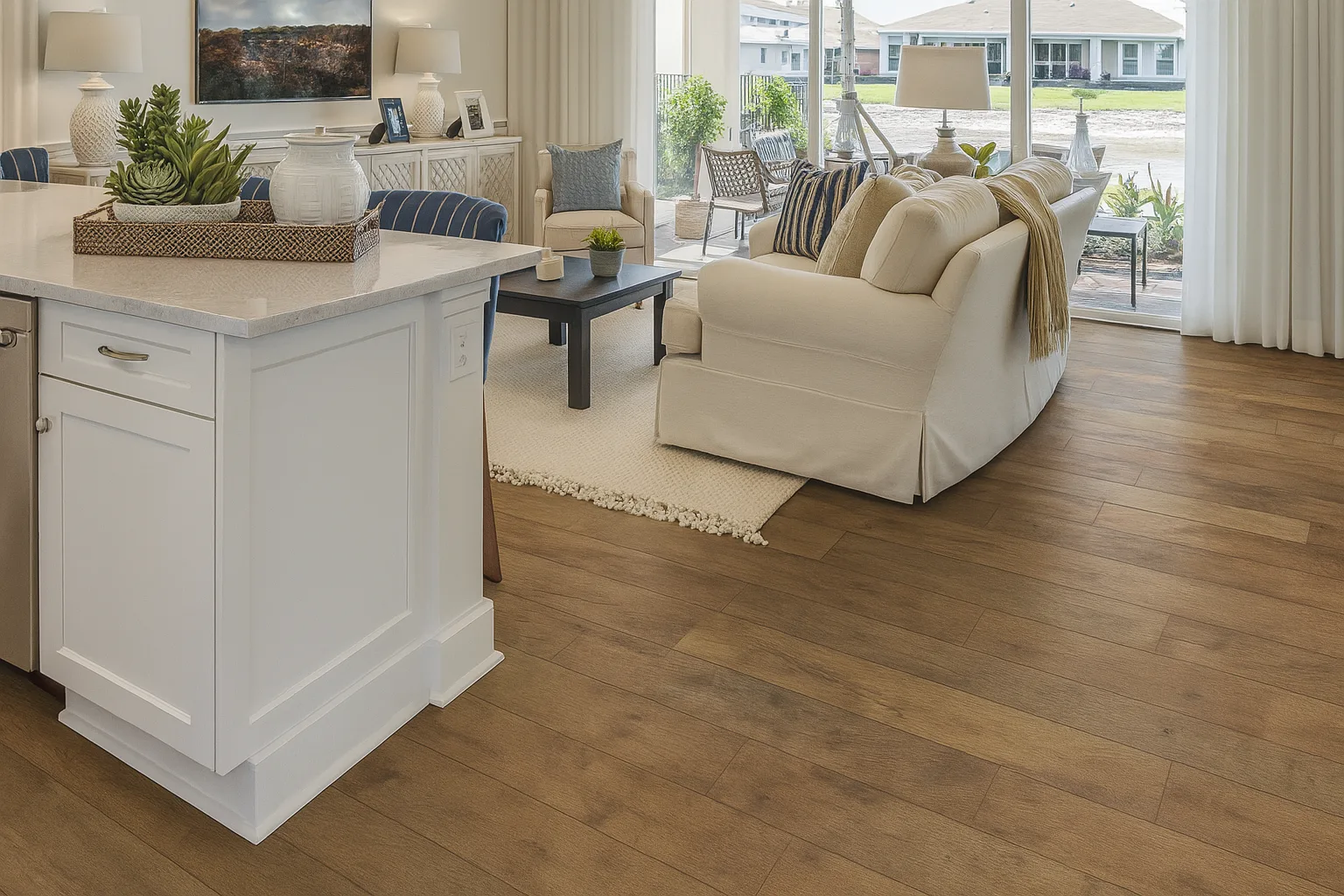
In busy living spaces such as living rooms, color, pattern, and wear class should be considered together. Light-colored surfaces can give a space a more spacious appearance, while wood tones can create a warmer and more balanced atmosphere. If usage intensity is high, more durable options such as AC4 class may be considered.
Hallways and areas near entryways are exposed to more shoe traffic and sand or dust brought in from outside. In these areas, ease of cleaning is as important as surface durability. Using a doormat at the entrance helps reduce the amount of sand and dust reaching the floor, thereby helping lower the risk of wear.
When choosing flooring for bedrooms and less frequently used rooms, color, texture, and overall décor harmony may take priority over usage intensity. However, if visual continuity is desired between rooms, the same collection or compatible tones can be used. When reviewing laminate flooring models, the amount of light each area receives and the existing furniture should also be considered.
In areas such as kitchens where contact with water is possible, systems with water-repellent surfaces and tight locking structures may be considered. These features may provide protection during brief contact with water; however, laminate flooring should not be considered completely waterproof. If water accumulates on the floor, it should be wiped up without delay, and water should be prevented from reaching the edges and joints.
Color, Pattern, and Décor Harmony
When choosing laminate flooring, you should consider not only how the product looks on its own but also the entire space where it will be installed. Wall color, furniture surfaces, doors, and the amount of natural light throughout the day can change the perceived tone of the flooring. For this reason, a color chart or sample should, if possible, be evaluated under the lighting conditions of the installation area.
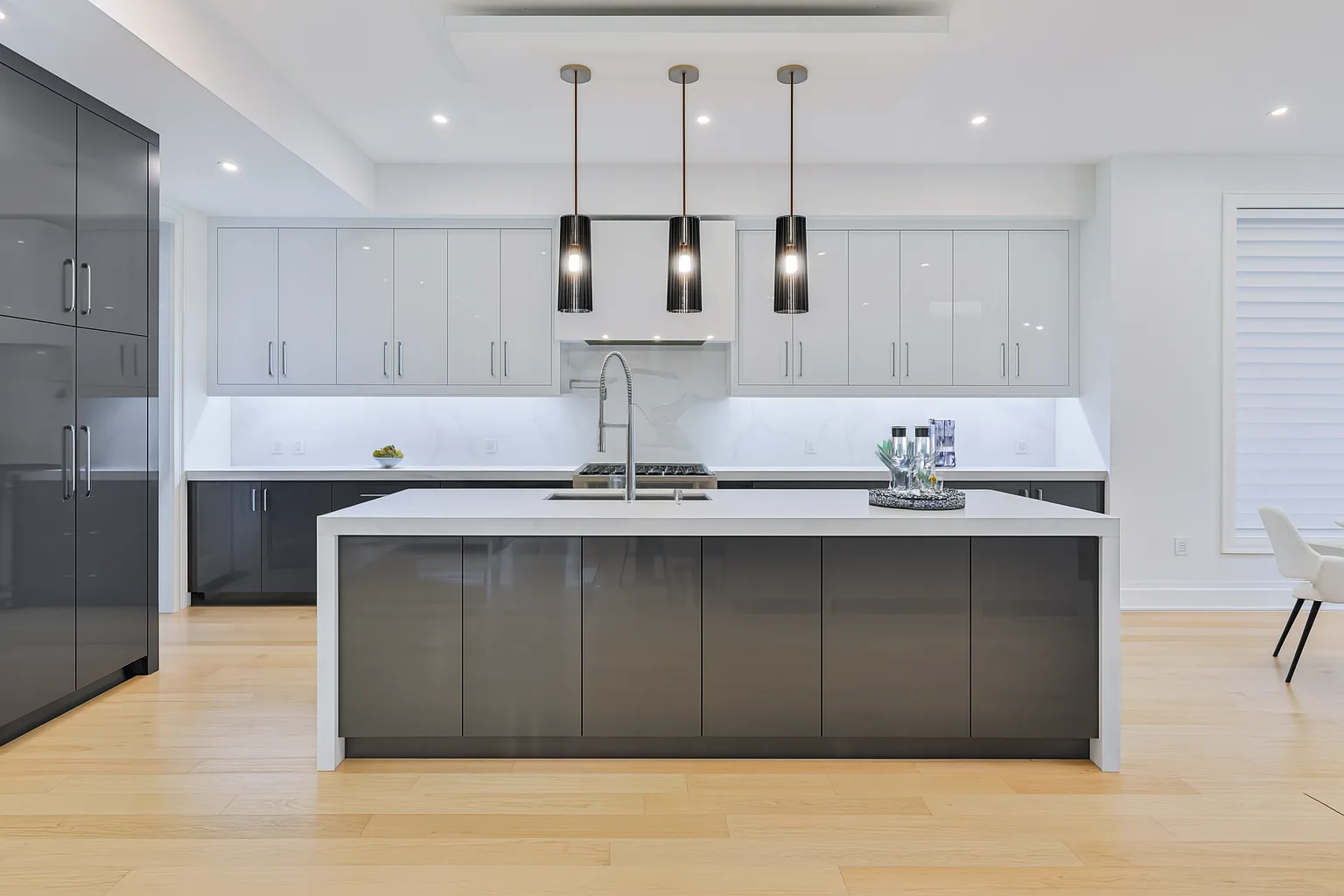
Light tones can create a brighter appearance in small or poorly lit spaces. Medium and dark wood tones create a more distinctive floor character. The direction of the pattern can also affect how the space is perceived; installation along the length of a narrow area such as a hallway can support visual flow. The room’s layout and furniture placement should be taken into account when making this decision.
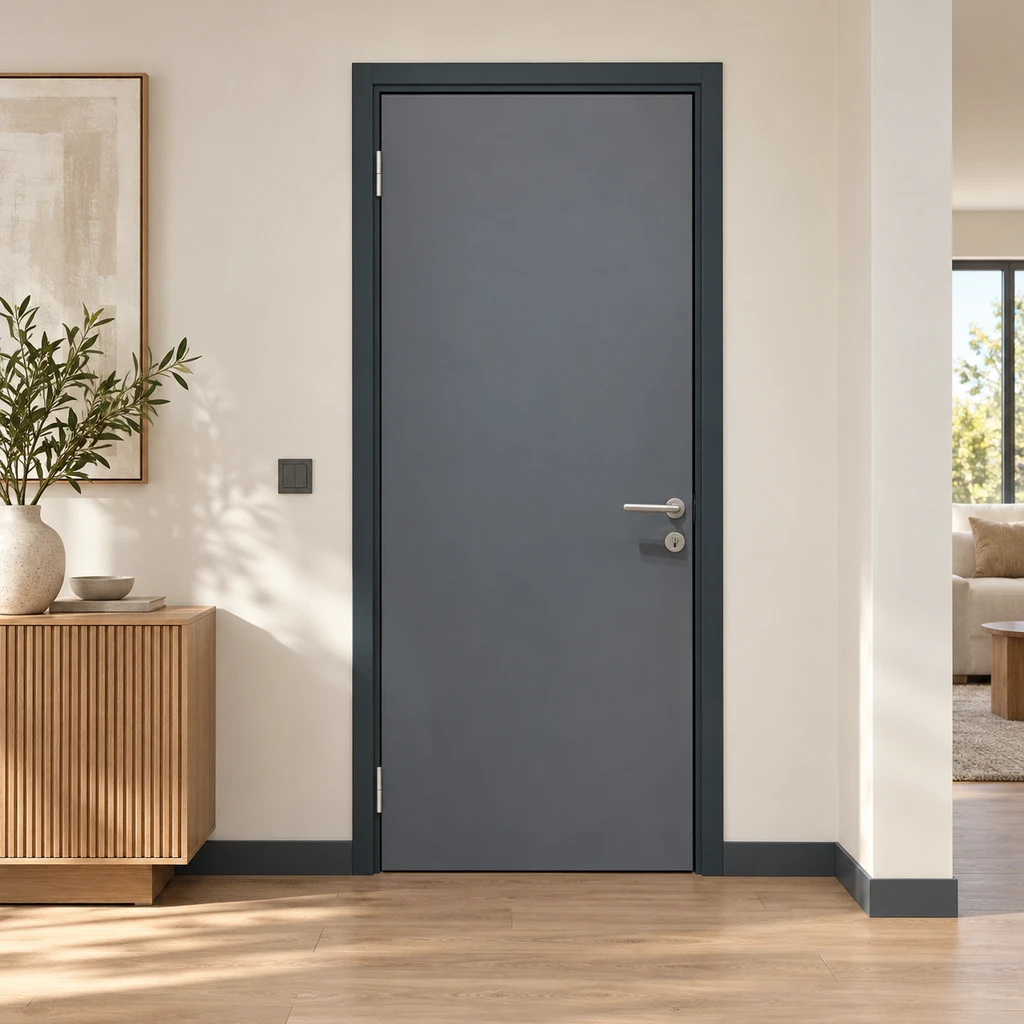
Laminate flooring should be considered together with interior doors and other fixed surfaces. An exact color match is not required; however, coordinating warm and cool tones creates a balanced overall appearance. If a wood look is preferred, you should also examine how the grain structure and surface texture will relate to the other wood elements in the space.
Maintenance and Considerations for Long-Lasting Use
For daily maintenance of laminate flooring, use a damp cloth instead of an excessively wet mop. Leaving no water on the surface after cleaning is important, especially for protecting joints and edges. Even on water-resistant surfaces, standing water should not be left for extended periods.
Felt pads on furniture legs reduce scratches that may occur when moving items. If heavy furniture needs to be repositioned, the floor should not be exposed to direct friction. Using protectors beneath chairs and frequently moved items helps limit daily surface wear.
Using doormats at entrances reduces the amount of sand and dust brought onto the floor from outside. Over time, these particles may have an abrasive effect on the surface. Regular sweeping or removing dust with suitable cleaning equipment helps preserve the floor’s appearance and comfort in use.
Abrasive or unsuitable chemicals that may damage the product’s surface should be avoided during cleaning. Hard brushes, excessive water, and intensive use of chemicals may negatively affect the surface’s appearance. Cleaning habits can be as influential as product selection on the service life of laminate flooring.
Common Selection and Installation Mistakes
One common mistake is making a decision based only on color. Although visual appeal is important, selecting a product without evaluating the AC class, thickness, potential water contact, and usage intensity of the area may result in unmet expectations later. Durability should not be overlooked, especially in heavily used areas such as hallways and living rooms.
Another mistake is assuming that laminate flooring is completely resistant to water. A water-repellent surface or tight locking system may provide protection; however, prolonged standing water may still be absorbed through the edges and cause swelling. Spilled liquids should be cleaned quickly, and wet cleaning should be performed in moderation.
Failing to check floor conditions and door clearances before installation may also cause problems during application. If the floor is not sufficiently level, the walking feel and the alignment of the joints may be negatively affected. In addition, flooring thickness should be assessed in advance in terms of door operation and level compatibility with existing surfaces.
Selecting a product in a class that is much higher or lower than required for the area may also be an unbalanced decision. During the decision-making process, the room’s usage, the movement of people and items in the home, cleaning habits, and décor expectations should be considered together. This allows you to choose flooring that is more suitable both visually and for everyday use.
Made-to-Measure Laminate Flooring Preparation at Decorege
At Decorege, laminate flooring options can be evaluated according to the project’s needs. Since most products can be prepared through made-to-measure production, the dimensions of the installation area, floor conditions, color, and collection preference are clarified before ordering. Wood and laminate surfaces can be selected through the collection color chart.
During the measurement and selection stage, the purpose of the area, preferred thickness, wear class, and installation requirements are considered together. Free on-site surveys and on-site measurement services are offered in certain areas, while in other locations the process can proceed based on information shared through the measurement guide. If made-to-measure production is required, the preparation time is provided when the order is approved.
For products that require installation, application is carried out by the Decorege team or an authorized installer. Before installation, the area must be cleared and ready for application. When accurate measurements, the appropriate class, balanced thickness, and regular maintenance are considered together, laminate flooring can become a functional flooring solution that can be used for a long time in living spaces.
Frequently Asked Questions
Why is it important to make a room-by-room decision when choosing laminate flooring?
Each room differs in usage intensity, furniture movement, and the amount of dirt brought in from outside. Therefore, evaluating the living room, hallway, and bedroom separately instead of using the same wear class or thickness throughout all areas allows for a more balanced choice.
How should a laminate flooring sample be evaluated in the space?
Evaluating a sample only under store lighting can be misleading. It should be examined together with the walls, doors, and furniture, while considering the effect of daylight at different times of the day. This provides a more accurate understanding of whether the color appears warmer, cooler, lighter, or darker in the space.
What information should be prepared before ordering laminate flooring?
The dimensions of the areas to be installed, the condition of the existing floor, door clearances, the preferred color and collection, and usage intensity should be shared in advance. If installation is required, you should also plan when the area can be cleared so that the selection and installation stages can proceed more smoothly.
How should harmony be created between laminate flooring and doors?
The door and flooring do not have to be the same color. However, the warmth or coolness of the surfaces, grain appearance, and overall tones should not conflict with one another. Lighter flooring tones can be considered with light-colored doors, while balanced surface patterns can be evaluated with doors featuring a pronounced wood texture.
How can the risk of scratching be reduced during daily use of laminate flooring?
Placing suitable protectors beneath furniture, lifting items instead of dragging them, and using a doormat at the entrance help protect the surface. Regular dust removal also reduces wear caused by sand particles rubbing against the floor. It is also important to use cleaning equipment suitable for the surface.