Lacquered or American Panel Door? Key Differences
When choosing an interior door, it is important to consider not only the model’s appearance, but also its material structure, usage habits, maintenance requirements, and budget. The differences between lacquered doors and American panel doors extend from their production methods to their surface characteristics. The right choice depends not only on the design approach of the living space, but also on how often the door will be used and which expectations it needs to meet.
How do lacquered doors and American panel doors differ?
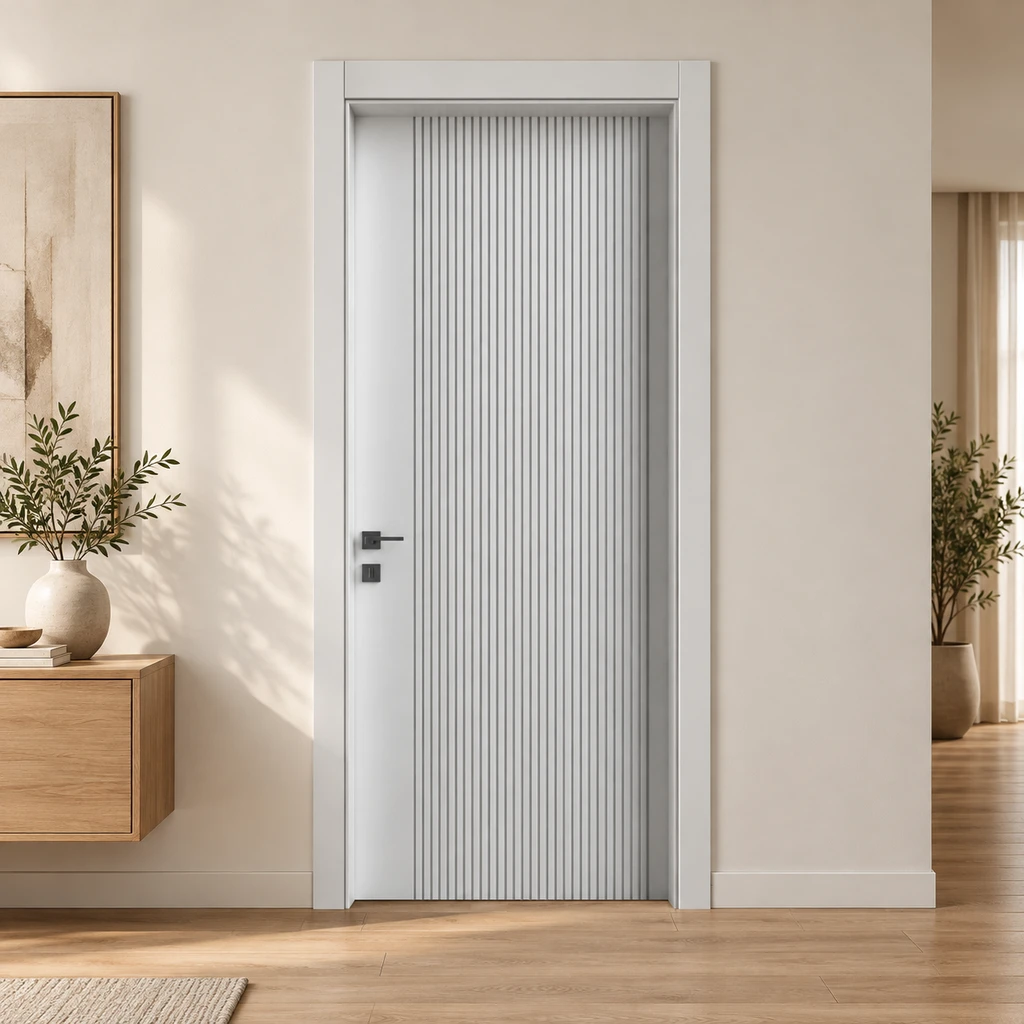
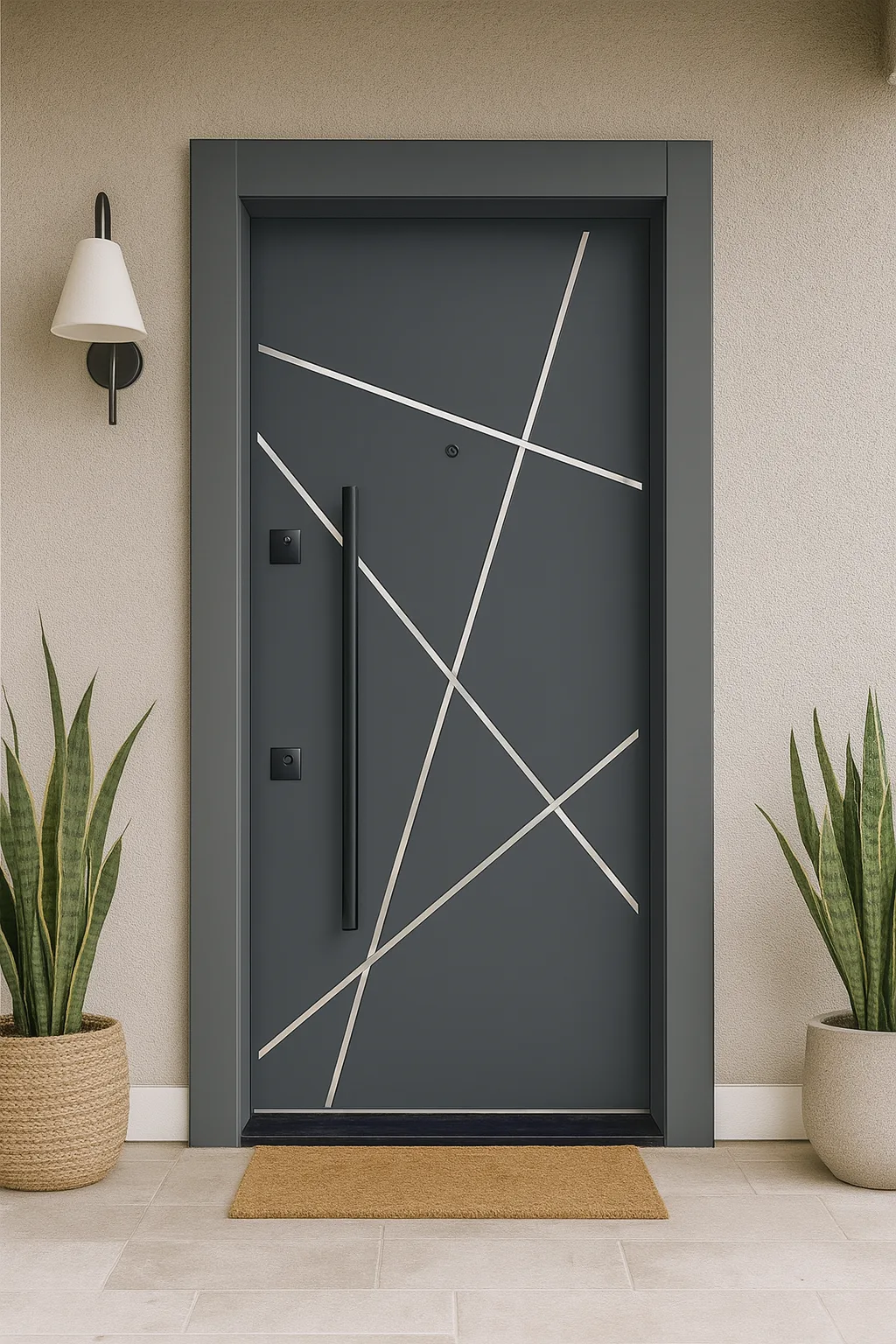
A lacquered door is generally prepared using paint and surface treatments applied to a dense, homogeneous MDF surface. A smooth surface helps the paint appear more evenly. The lacquered surface achieved through primer, paint, sanding, and topcoat applications may have a matte, semi-matte, or glossy appearance. This structure is preferred in designs that emphasize clean lines and different color options.
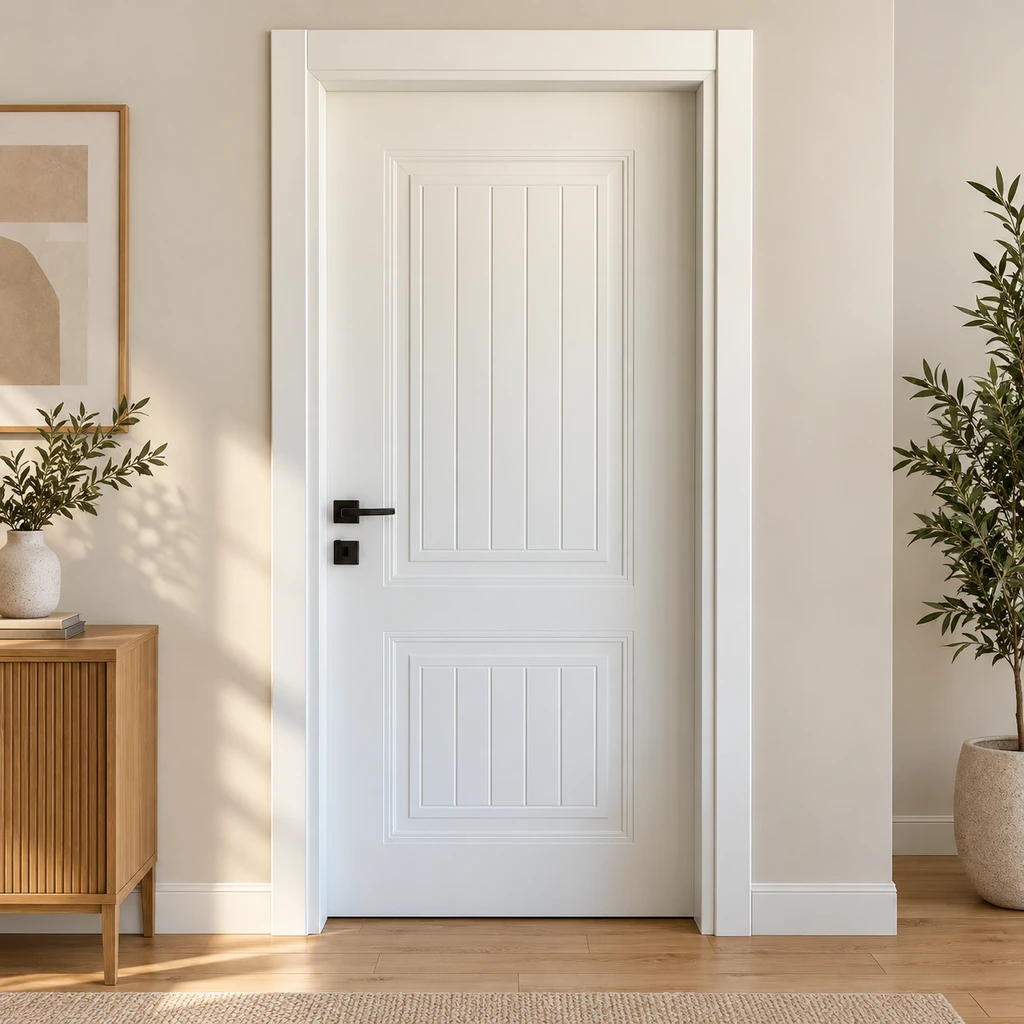
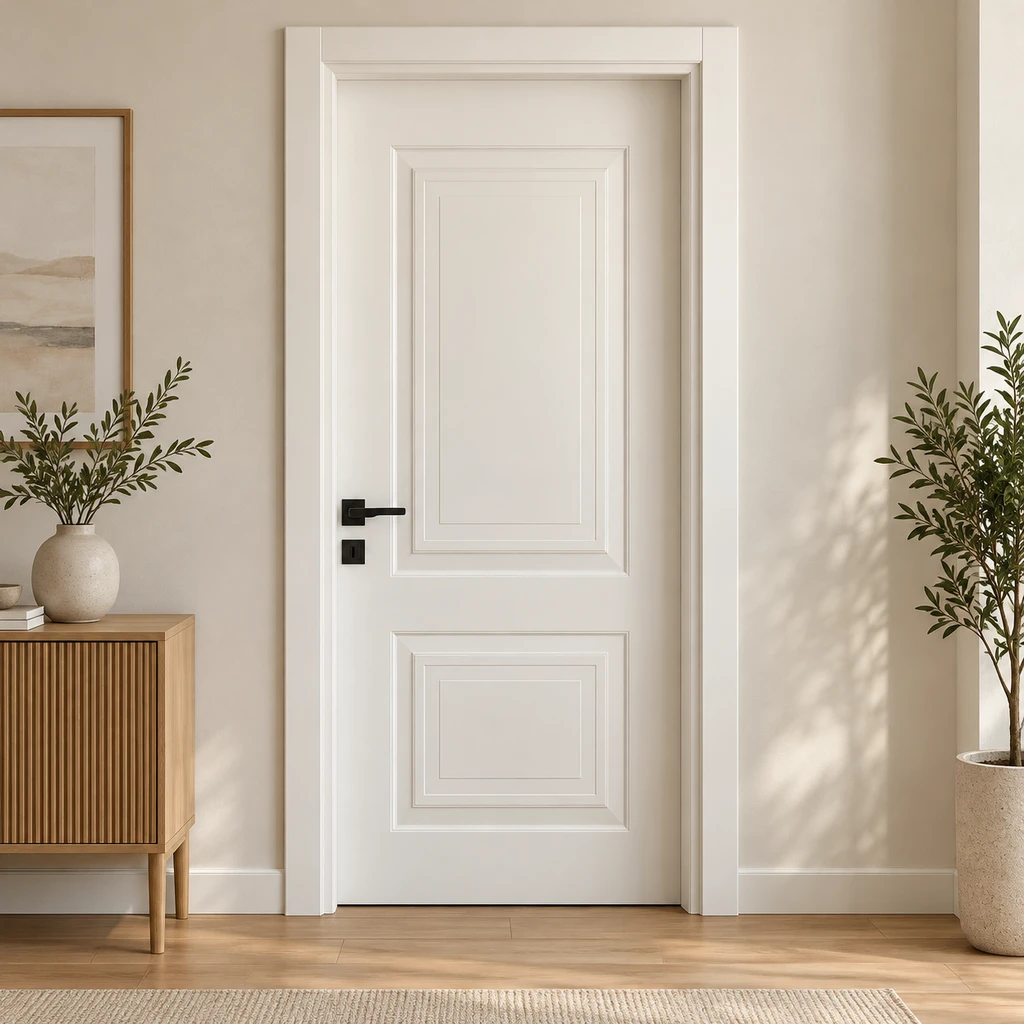
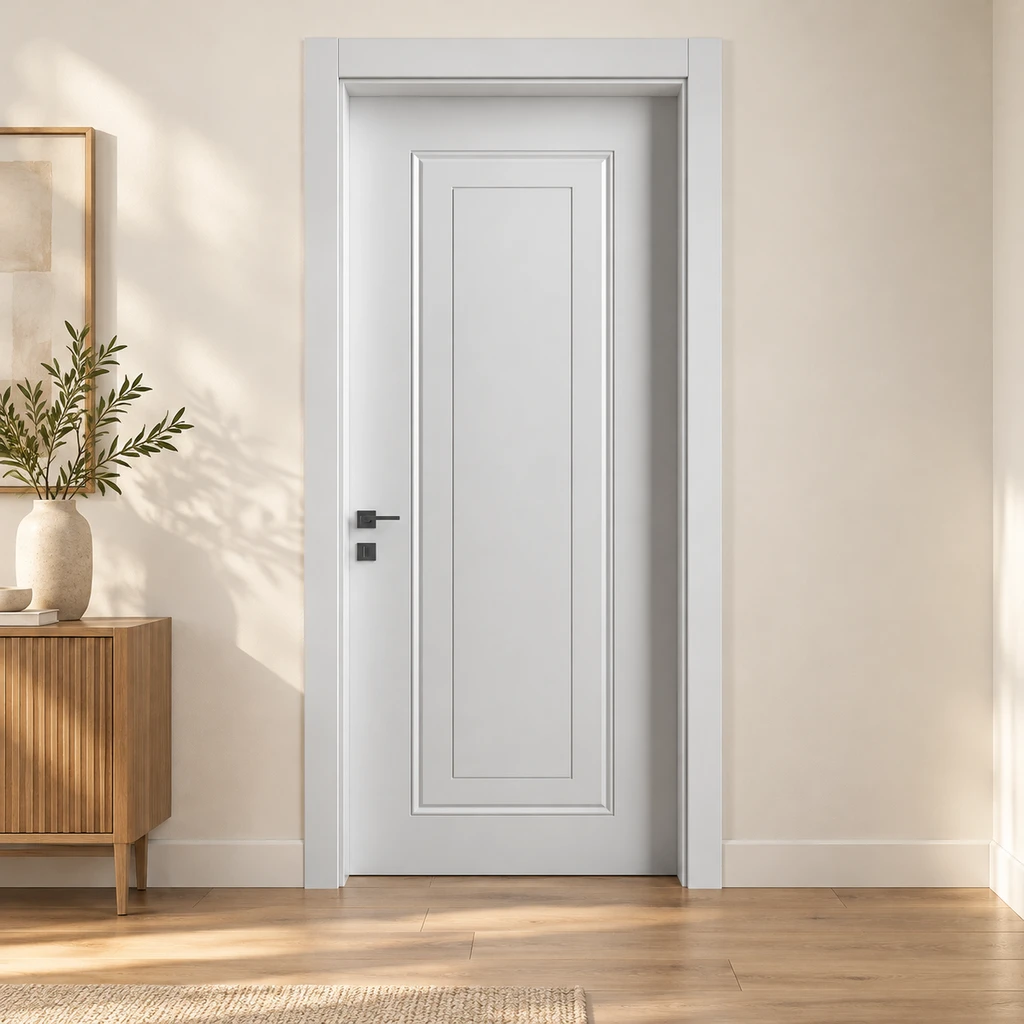
An American panel door generally consists of a wooden frame structure, lightweight filling material, and patterned MDF or HDF panels pressed onto it. The panel structure contributes to the door’s light weight while giving the surface a classic or traditional appearance. Although the production method may vary by model, American doors are generally associated with panel designs and economical solutions.
The main difference between these two door types is not limited to their exterior appearance. While a lacquered door offers a smoother and more unified surface character, lines, recesses, and raised sections create a decorative effect on an American panel door. Therefore, when making a choice, attention should be paid not only to how the door fits with the existing furniture, but also to whether the user prefers a simple or more detailed surface.
Why are material and surface characteristics important when choosing?
The door’s material structure can directly affect the feel of use and maintenance requirements. Since a lacquered surface has a smooth and uninterrupted appearance, it can create a calmer sense of unity, especially in modern and minimalist designs. Color selection is also an important part of this appearance. Light colors can create a more spacious effect in a room, while dark tones can make the door a prominent element of the decor.
In American panel doors, the pattern on the surface determines the door’s character. Panel sections and profile details can integrate more easily with classic or country-style decor. However, compared with flat-surface models, this recessed structure may require slightly more attention during cleaning. Areas where dust can accumulate should be cleaned regularly with a soft cloth.
When evaluating durability, you should consider not only the door’s surface, but also its body, edges, frame, and hardware. The dense MDF structure of a lacquered door can provide a solid, substantial feel. The lightweight structure of an American panel door can offer advantages during transport and use; however, the model’s construction and conditions of use should also be evaluated separately in areas where it may be exposed to impact.
Which door stands out in which decorating style?
A lacquered door may be a more harmonious option in a simple, contemporary, and cohesive interior design. When used with furniture featuring few details and understated wall colors, its flat surface does not add to the visual clutter of the decor. The ability to personalize the color also makes it easier to coordinate the door with floor, wall, and furniture tones.
An American panel door may be more suitable for spaces featuring classic lines, distinct frames, or decorative panel details. White and similar light tones are common appearances for this door type; however, the surface pattern and color option of the selected model should always be examined specifically for the product. Since there may be a difference between the appearance in a photograph and the actual surface effect, it can be helpful to make a decision using a sample or collection color chart whenever possible.
Rather than choosing a door based only on the decor of a single room, you should consider the visual flow that will be created throughout the home. Using the same model along a hallway can provide unity; if different models are preferred in some areas, it becomes important for the colors, frames, and hardware to work together. When choosing among interior doors, the usage intensity of the rooms should be considered along with this overall unity.
How should you decide based on the area of use?
In more quietly used areas such as bedrooms and home offices, aesthetic expectations may take priority. In these spaces, a flat, matte, or soft-toned lacquered door can support a simple decorating approach. A patterned American door may be considered by those who want to create a more traditional atmosphere.
In living rooms, hallways, and frequently used passageways, the door’s daily usage intensity should be taken into account. In areas with a high risk of impact, detailed information should be obtained about the door’s body construction, edge workmanship, and hardware quality. Looking only at the appearance of the door leaf can lead to a choice that does not meet expectations during use.
In areas with greater humidity and temperature changes, application conditions are as important as the product’s surface characteristics. Taking accurate door measurements, selecting a frame suitable for the space, and completing the installation correctly are decisive for long-term use. For this reason, when choosing a product for a kitchen, bathroom, or similar area, the conditions of use should be clarified in detail before placing an order.
What should be considered when cleaning and maintaining the doors?
The flat surface of lacquered doors can make daily cleaning practical. Dust and light dirt can be removed with a soft, damp cloth. After cleaning, it is important not to leave water on the surface, especially to prevent moisture from accumulating around edges and joints. Abrasive sponges, stiff brushes, and strong chemicals that may damage the surface should not be used.
American panel doors should be cleaned with attention to the directions of the surface pattern and recessed areas. A dry or slightly damp soft cloth may be sufficient to prevent dust accumulation. Rather than applying excessive amounts of water or cleaning product directly to the door leaf, it is safer to moisten the cloth in a controlled manner.
For both door types, avoiding excessive force on the handle, preventing the leaf from being slammed, and checking the hinge connections when necessary can contribute to the product’s service life. Impact, contact with water, unsuitable cleaning materials, and unauthorized interventions may damage the surface or body. Following the product’s usage recommendations during maintenance provides benefits beyond preserving its appearance.
What are the most common mistakes when making a decision?
One common mistake is choosing based solely on price. Although the initial cost is important, the door’s usage intensity, maintenance expectations, compatibility with the decor, and the possibility of needing a replacement in the future should be evaluated together. A more economical option may be sufficient for an area with low usage intensity; however, different features may take priority in a heavily used passageway.
Another mistake is assuming that every door will fit every measurement and every frame. Wall thickness, the dimensions of the existing opening, opening direction, and frame construction should be checked before ordering. In projects requiring made-to-measure production, even a small measurement difference can affect the installation process. Therefore, during an on-site survey or when sharing measurements, the openings and application area must be evaluated accurately.
Relying only on the image on a screen when selecting a color can also be misleading. Lighting conditions, wall color, and furniture surfaces can change how the door’s tone is perceived. For lacquered doors, choosing from a RAL color chart, and for wood and laminate surfaces, choosing from the relevant collection color chart, provides a more reliable basis for evaluation. Considering the frame, handle, hinges, and other hardware together with the door model also affects the final appearance.
Made-to-measure lacquered door selection at Decorege
Decorege prepares most interior doors according to the project’s measurements and usage needs. When choosing a lacquered door, color, surface appearance, frame, and hardware options are evaluated together with the characteristics of the space. The ability to select a color from the RAL color chart helps the door coordinate more harmoniously with the existing decor. At the decision stage, it is important to consider the measurements, opening direction, and application area together.
While free on-site surveys and on-site measurement services are offered in certain areas, measurements can be shared according to the measurement guide for other addresses. For products requiring installation, the area must be cleared before application. When comparing lacquered door options, evaluating the measurements, frame, hardware, installation, and conditions of use together with the appearance, and clarifying the details with the team before ordering, provides a more predictable application process. Those who want to examine different surface alternatives can compare the options that suit their needs among the lacquered door models.
Frequently Asked Questions
How should lacquered doors and American panel doors be evaluated in terms of sound insulation?
Looking only at the door surface is not enough to evaluate sound insulation. The leaf’s internal filling structure, the application between the frame and wall, and the gap beneath the door should be examined together. When choosing a door for a bedroom or home office in particular, asking about these features on a product-by-product basis provides a more reliable evaluation.
Why is the opening direction important when choosing a door model?
The opening direction affects the placement of furniture in the room, the use of the passage area, and the possibility of the door conflicting with another leaf. Before ordering, check together which way the door will open, the handle position, and the fixed items in the room. This can help prevent difficulties during use after installation.
Can a new lacquered or American panel door be installed on an existing frame?
This depends on the dimensions and condition of the existing frame, the wall thickness, and its compatibility with the selected door leaf. If the frame will be retained, the hinge, lock, and handle connections must also be checked. Before application, it is appropriate to evaluate the existing opening and frame through photographs or an on-site inspection.
Why is it useful to examine a sample when choosing a door color?
Screen images, lighting conditions, and surrounding surfaces can change how a color is perceived. Examining a sample or color chart helps you evaluate more realistically how the door will look with the walls, flooring, and furniture. Especially in rooms with varying light, the decision should not be based solely on a digital image.
Which items should be asked about when comparing interior door quotes?
Instead of focusing only on the price of the door leaf, ask separately about the scope of the frame, handle, hinges, lock, installation, and shipping. It should also be clarified whether made-to-measure production is required and whether the application area must be prepared. This makes it easier to understand differences in scope between quotes.