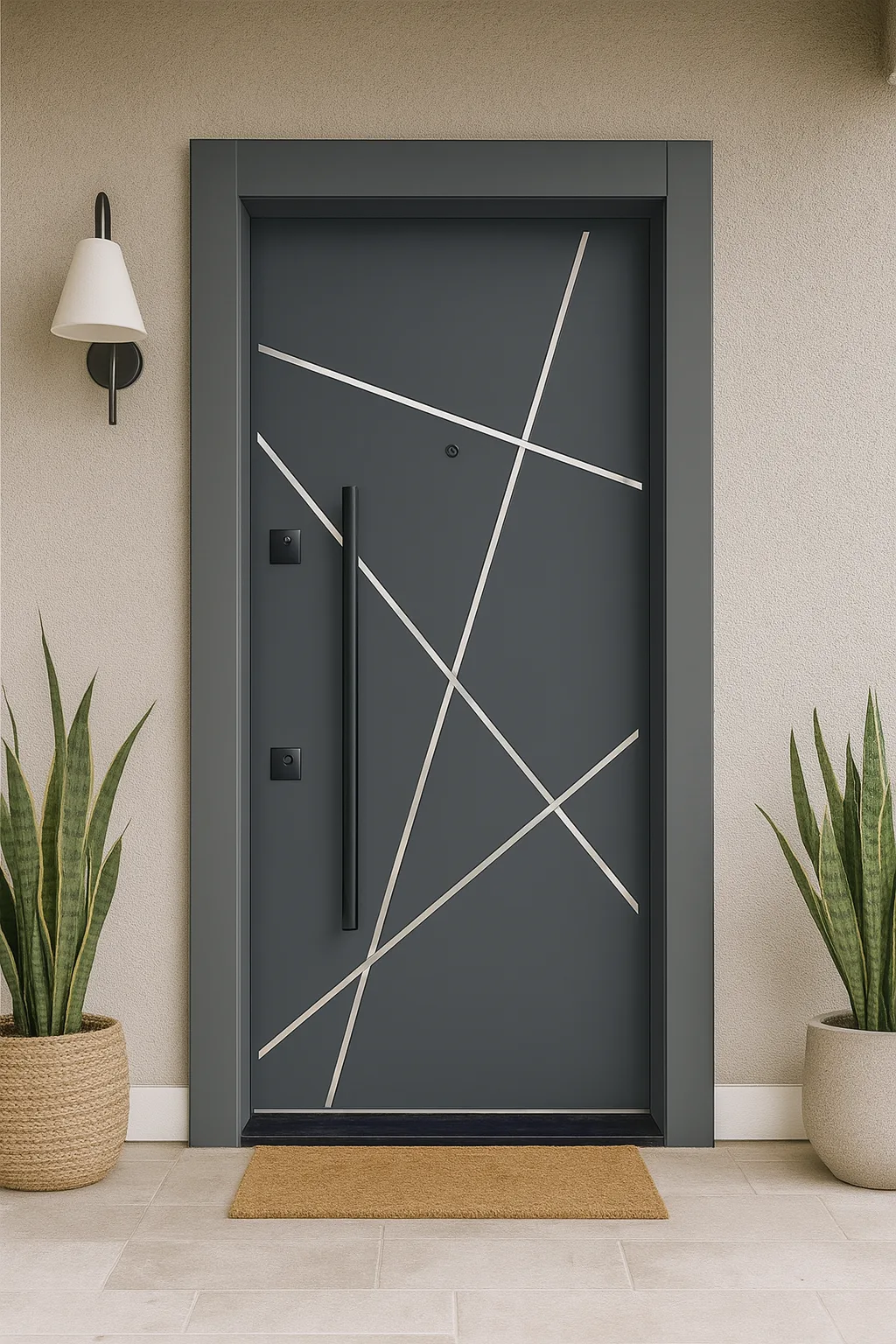
What Is a Melamine Door? Pros, Limits, and Selection
A melamine door is an interior door made by applying a melamine-resin decorative surface to a wood-based core. Because it offers durability, easy cleaning, and a range of decor options, it can be considered for various interior spaces, from homes to work areas. However, making the right choice requires considering not only the surface’s advantages but also its limitations against moisture, the intensity of use, and whether the door is suitable for the available dimensions.
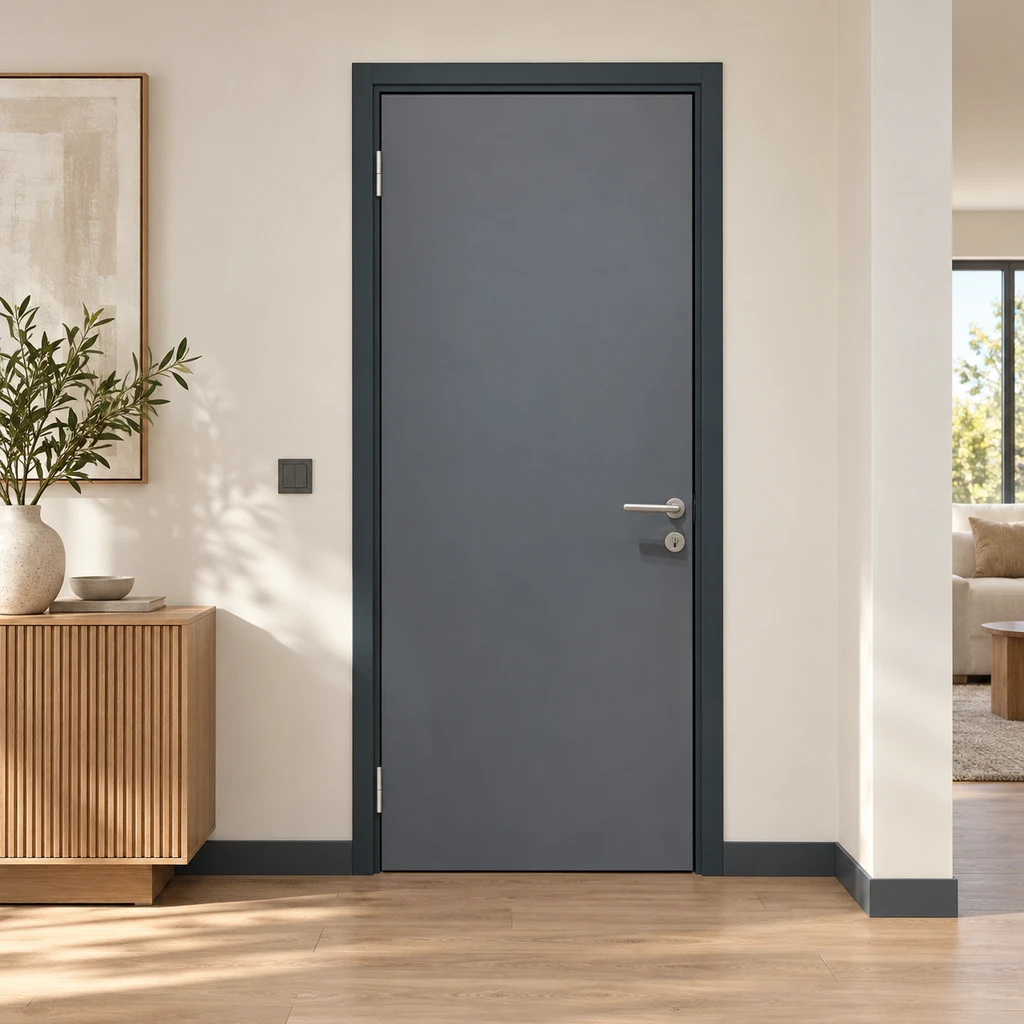
What is a melamine door and what is its construction like?
The core structure of melamine doors generally consists of wood-based panels such as MDF or particleboard. Decorative papers impregnated with melamine resin are pressed onto this core to create the surface covering. This process gives the door a more homogeneous appearance in which the pattern and color are part of the covering layer, rather than a surface created with paint or varnish.
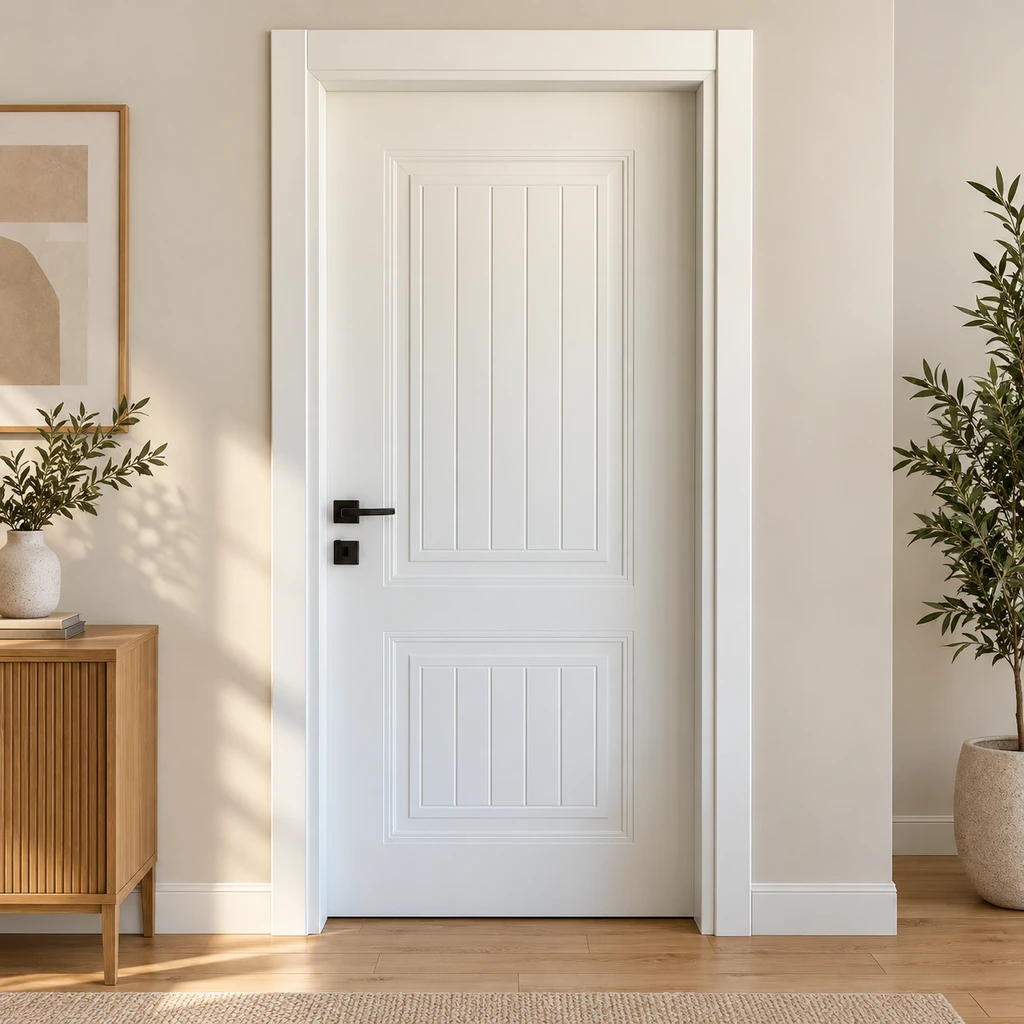
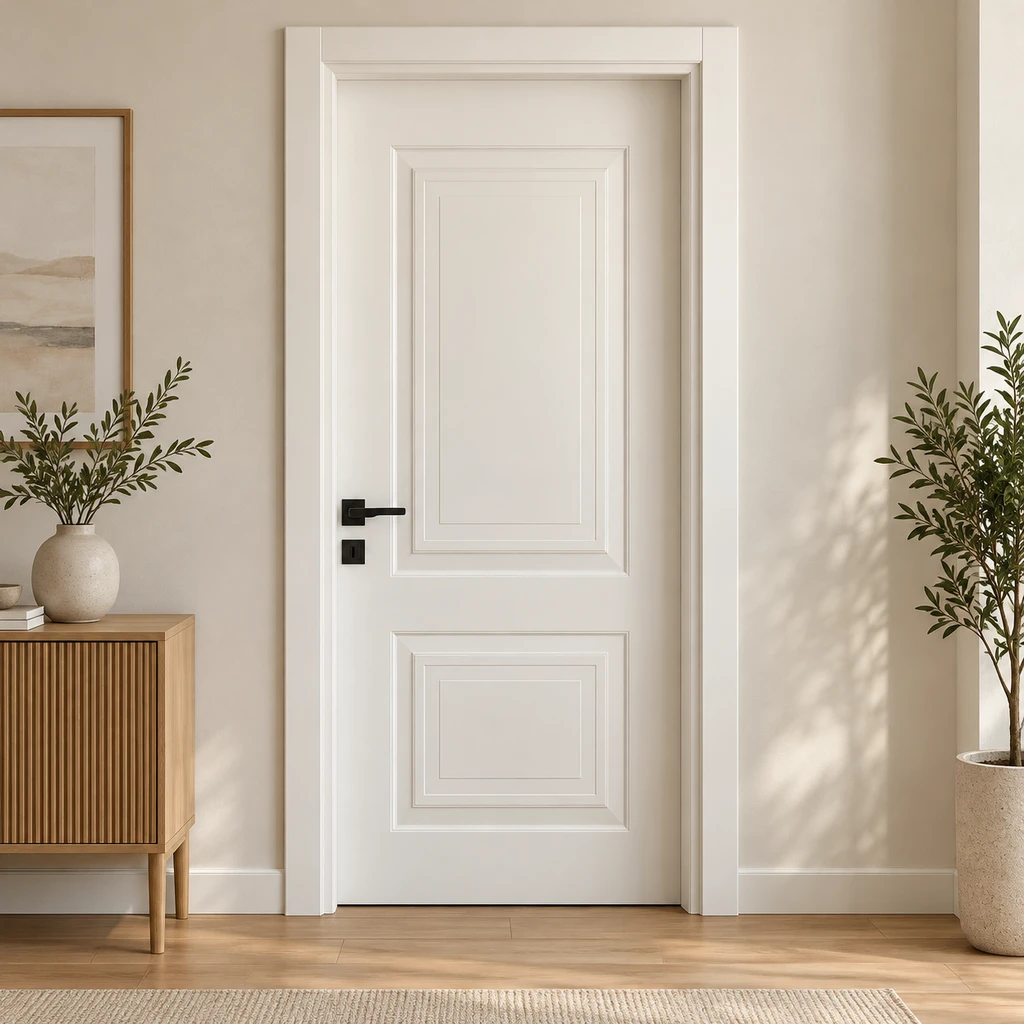
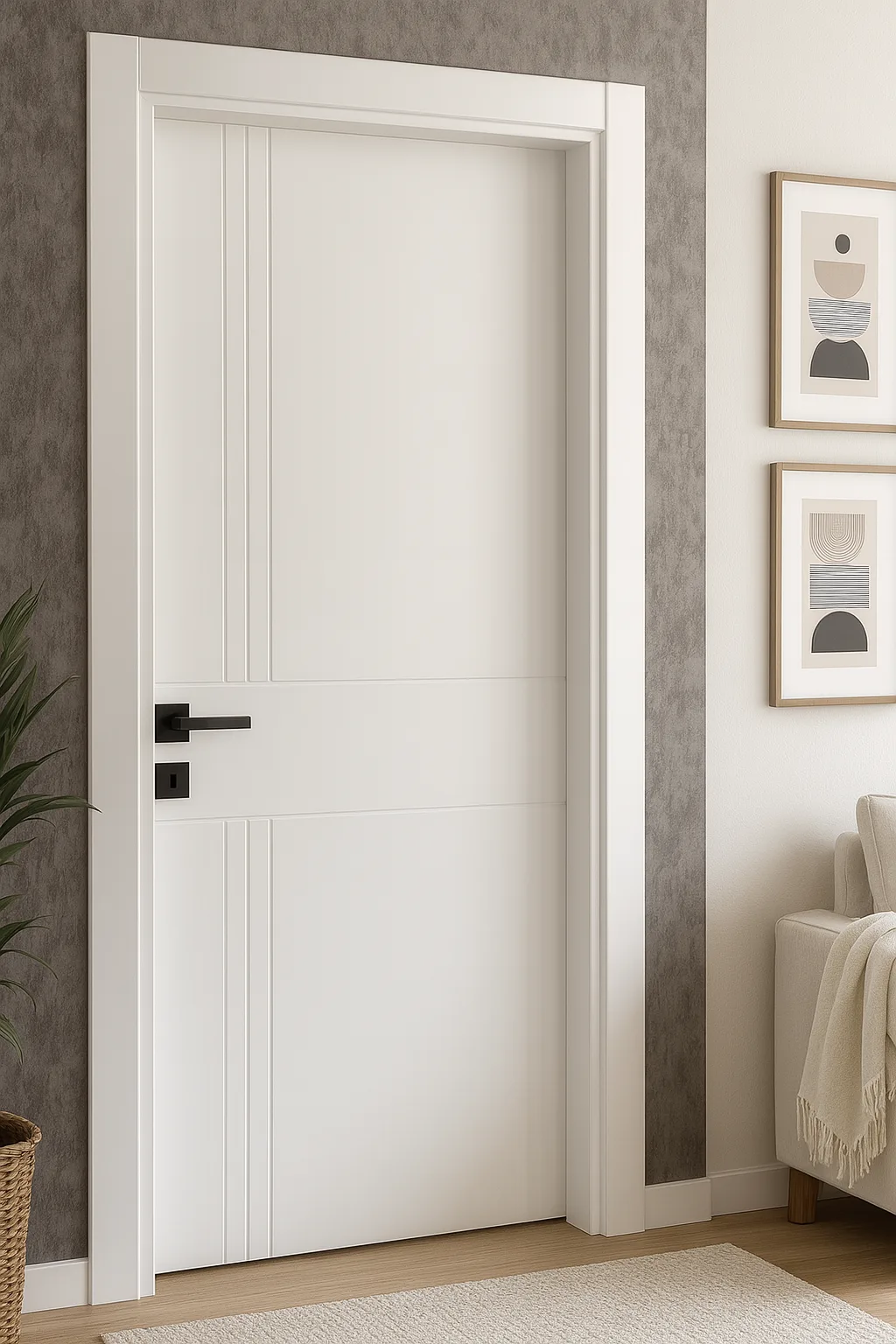
Melamine surfaces may be available in solid colors, wood looks, stone effects, or different decorative alternatives. This variety helps the door coordinate with the flooring, walls, furniture, and other wood surfaces in the space. The smooth, nonporous surface makes it easier to clean everyday dust and stains with a damp cloth.
One important distinction should be made here: the durability of a melamine surface does not mean that the door is waterproof under all conditions. Door edges, hinge recesses, and cut sections may leave the core material more exposed. For this reason, melamine doors should generally be considered for dry interiors or spaces with controlled moisture levels.
What criteria should be considered when choosing a melamine door?
The first criterion is the characteristics of the area where the door will be used. In areas that do not come into direct contact with water, such as bedrooms, living rooms, home offices, or hallways, the practicality of the melamine surface stands out. In areas with heavy steam, frequent water splashes, or insufficient ventilation, however, the door’s core structure and edge protection should also be evaluated.
The second criterion is usage intensity. For doors that are opened and closed frequently and are likely to be exposed to impacts, surface durability, edge protection, and the quality of the hardware become more important. Rather than considering only the decor, it is more appropriate to evaluate the compatibility of the door frame, hinges, handle, and door leaf as a whole.
Dimensions are also a fundamental part of the selection process. If the wall opening, door frame dimensions, opening direction, and condition of the existing floor are not determined correctly, incompatibilities may occur during installation. For this reason, taking measurements on site or providing them in accordance with the measurement guide is among the details that should be clarified before placing an order.
Melamine door recommendations for different areas
In dry interiors such as living rooms, bedrooms, and home offices, melamine doors offer a functional alternative thanks to their easy-to-clean surfaces and decor options. A wood-look surface can be considered for spaces where a warm atmosphere is desired, while solid, simple colors can complement a more minimalist approach to decor.
In hallways and transition areas, it is important for doors to create visual unity with one another and with fixed furniture. Doors selected from the same color family can provide a more organized appearance alongside the door frames and wall tones. In projects with multiple doors, examining how the surface texture looks under light through a color chart is safer than making a decision based only on an image on a screen.
In areas with higher moisture levels, such as kitchens and bathrooms, the conditions of use should be considered carefully. It may be a suitable solution if the door will not receive direct water, the space is adequately ventilated, and the edges are protected. If there is a possibility of continuous contact with water or heavy steam, options more suitable for moist environments, such as PVC laminate doors, can be considered.
If the door’s primary function is decorative unity, lighting, how frequently the space is used, and cleaning habits should be taken into account along with the surface selection. Those seeking a smoother, painted appearance can examine lacquered doors; however, the surface structure, maintenance expectations, and usage conditions of these options differ from those of melamine doors.
Differences between melamine, laminate, and lacquered doors
Although the terms melamine and laminate are sometimes used interchangeably in everyday language, their surface structures and product characteristics may vary depending on the project. Both options may feature a decorative surface covering; however, the material used, pressing method, surface texture, and design characteristics of the product may not be the same. For this reason, the technical specifications and intended use should be examined rather than relying only on the product name.
Laminate door models can be considered especially in areas where heavy use and expectations for surface durability are priorities. Melamine doors also feature surfaces that provide resistance to scratches and everyday use; however, repair options may be limited when deep impacts or covering damage occur. During the selection process, the door’s maintenance requirements throughout its use should be considered, not just its initial appearance.
Lacquered doors offer a different option for those seeking a painted, smooth, and seamless surface appearance. They may provide broader personalization options in terms of color selection and surface gloss; color selection for lacquered surfaces can be made using the RAL color chart. For melamine and laminate surfaces, decisions are generally made based on the color, pattern, and texture alternatives in the collection color chart.
Advantages and limitations of melamine doors
One of the main advantages of melamine doors is that they offer a practical surface suitable for everyday use. Dust, fingerprints, and light stains can generally be cleaned with a damp, soft cloth. Since the surface does not need to be painted or polished regularly, maintenance can be simpler compared with painted door options.
The variety of patterns also makes the selection process easier. Wood textures, solid colors, and more neutral decors can be paired with different furniture styles. However, a melamine surface does not completely reproduce the depth of the grain or the tactile feel of natural wood. Users seeking the effect of a natural material may benefit from evaluating this difference using a sample or color chart.
The main limitation of melamine doors is that the surface covering and the core material may behave differently. Although the surface provides a certain level of protection against water, water entering from the edges may cause swelling or deformation in the core material. In addition, deep scratches and dents cannot be easily removed by sanding as they can on wood surfaces; when the covering is damaged, replacing a part or the entire door may become necessary.
What should be considered for cleaning and long-term use?
A soft cloth and an appropriate amount of moisture are generally sufficient for cleaning melamine doors. Leaving the surface dry after cleaning helps prevent water from accumulating, particularly along the door edges and at the bottom. Abrasive powders, hard sponges, strong solvents, and chemicals unsuitable for the surface may negatively affect the appearance of the covering.
Water accumulating beneath the door leaf, moisture remaining around the hinges, or the door rubbing against the floor can cause problems over time. For this reason, the edges and bottom of the door should also be checked during cleaning. If the hinges make noise, the door leaf is difficult to close, or the frame shows signs of separating, obtaining technical support without delay can prevent a minor incompatibility from becoming a larger problem.
Careful use also supports the life of the surface. Not placing weight on the door leaf while moving furniture, avoiding hitting the door hard against the wall, and pulling the door by the leaf instead of the handle are simple but effective precautions. Unauthorized drilling, cutting, or modifications to the surface may weaken the door’s protective layer, so the product specifications should be clarified before any such work.
Common selection and installation mistakes
One of the most common mistakes is treating a melamine door as a product that is completely resistant to water. The fact that the surface can be wiped with a damp cloth does not mean that the door can be continuously exposed to water or heavy steam. The ventilation of the space, the possibility of water splashes, and the protection of the door edges should be considered together.
Another mistake is choosing the color and pattern based only on a digital image. Screen settings, the color of the light, and the existing surfaces in the space can change the perceived tone of the product. Examining a color chart or sample helps provide a more accurate assessment of how the door will coordinate with the flooring, walls, furniture, and natural light.
Leaving installation measurements until the final stage also increases the risk of incompatibility. The door frame thickness, wall opening, skirting board, flooring, and opening direction should be checked before placing the order. For products requiring installation, the area must be cleared before the application; this condition helps the team install the door and frame more effectively.
Made-to-measure melamine and laminate door preparation at Decorege
Decorege prepares interior doors with laminate and melamine surfaces using project-appropriate dimensions, colors, door frames, and hardware options. Since most products are made to measure, the door opening, intended area, and selected surface are evaluated together. For lacquered surfaces, selection can be made using the RAL color chart, while melamine and laminate surfaces can be selected through the collection color chart.
Free on-site surveys and on-site measurement services are offered in certain areas, while measurement details can be provided according to the measurement guide for other addresses. Before the order is placed, the door frame structure, opening direction, hardware, and installation conditions are clarified. This approach ensures that not only the product’s appearance but also its compatibility with the existing space is included in the decision-making process.
For products requiring installation, the application is performed by the Decorege team or an authorized installer. When selecting a made-to-measure melamine door, evaluating the moisture conditions, daily usage intensity, and cleaning habits of the space together will make it easier to choose the right surface and model.
Frequently Asked Questions
Why is door frame selection important for a melamine door?
When choosing a melamine door, the door leaf should not be considered alone; the system formed by the door frame and hardware should be evaluated as a whole. If the frame thickness, wall opening, floor height, and opening direction are not clarified, the order may require adjustments during installation. Sharing these details with the team during the measurement stage leads to better results.
Is it necessary to examine a sample when choosing a melamine door color?
The door color should be evaluated together with the fixed surfaces in the space. Since the same decor may appear differently under different lighting conditions, the color chart or sample can be examined in both daylight and artificial light. This makes it possible to see potential tone differences with the flooring, walls, and furniture before placing the order.
Can scratches or damage on a melamine door be repaired?
When the covering is damaged, sanding or repainting is not always an appropriate solution. The location and extent of the damage should be evaluated, and it should be determined before installation whether the door leaf, relevant part, or hardware can be replaced. Unauthorized intervention may create risks for the surface and warranty conditions.
What should be checked when receiving a melamine door?
During delivery, the packaging should be checked for dents, tears, or moisture. If any such condition is found, the shipping representative should prepare a damage report before the product is accepted. Noticeable damage to the exterior of the packaging allows the product to be inspected before installation and potential issues to be properly documented.
When is the production time for a made-to-measure melamine door communicated?
For made-to-measure products, the production time is communicated when the order is confirmed. When bank transfer (EFT) is selected, preparation begins after the payment is received. Rather than estimating the timeline before the dimensions, surface, door frame, and hardware selections are finalized, it is more accurate to clarify the order details with the team.